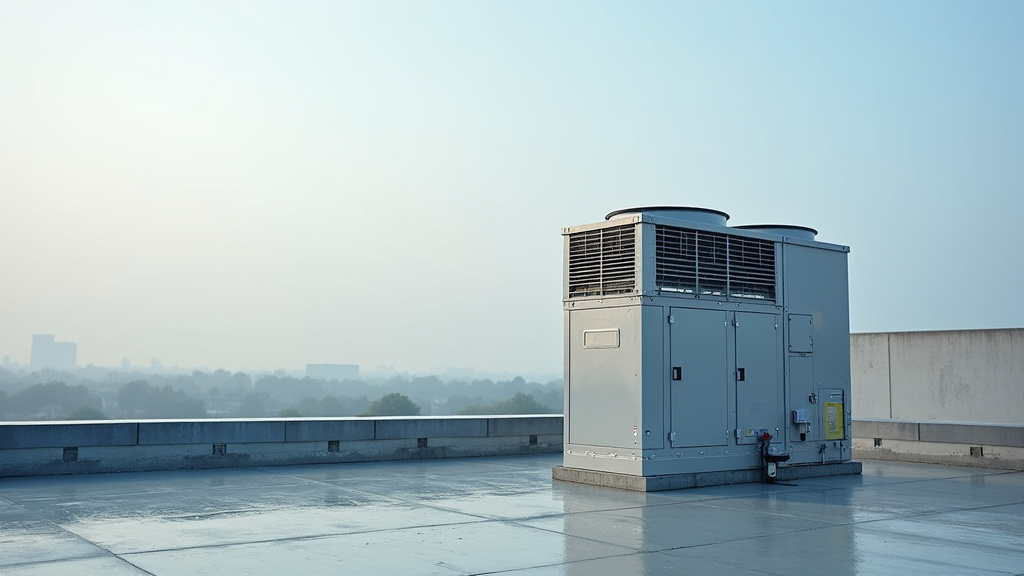
In today’s world, the importance of a comfortable and healthy indoor environment cannot be overstated. HVAC (Heating, Ventilation, and Air Conditioning) systems play a pivotal role in achieving this balance, yet their complexity often leads to inefficiencies and environmental impact. The challenge lies in optimizing these systems to enhance energy conservation, reduce carbon footprint, and ensure optimal air quality. This article delves into the intricacies of modern HVAC technologies, exploring innovative solutions that promise to revolutionize the way we maintain our living and working spaces. By examining cutting-edge practices, we aim to equip professionals and enthusiasts alike with the knowledge to foster a more sustainable and efficient future.
Understanding HVAC: Basics and Importance
Understanding HVAC: Basics and Importance
HVAC, or Heating, Ventilation, and Air Conditioning, is a vital system in modern buildings, ensuring indoor comfort and air quality. The process involves a complex interplay of equipment and controls to regulate temperature, humidity, and air circulation. In Austin, where extreme heat and humidity are common, a reliable HVAC system is not just a luxury but a necessity. The HVAC process includes several key components: heating systems to warm indoor spaces, cooling systems to manage heat load, ventilation to supply fresh air, and air conditioning to control temperature and humidity levels.
HVAC Installation in Austin: Where to Start
Looking for HVAC installation in Austin, TX? hvac installation serves the local area and can answer questions specific to Austin.
Qualifying for efficient and effective HVAC in Austin requires adherence to local building codes and energy efficiency standards. Homeowners and businesses must consider factors such as building size, insulation, and the region’s climate. For instance, a high-efficiency variable-speed air handler might be more suitable for a large, energy-inefficient home than a standard, single-speed unit. Additionally, professionals should be certified and licensed to ensure the system is installed correctly, maximizing energy efficiency and safety.
Choosing a reputable HVAC provider in Austin is crucial. Look for companies with a proven track record, offering a range of services from installation to maintenance and repair. Ask for references, check online reviews, and ensure the provider specializes in your area’s climate and local regulations. A well-selected HVAC partner can help optimize energy use, reduce utility bills, and prolong the lifespan of your system. For example, a study by the U.S. Department of Energy found that homeowners who maintained their HVAC systems according to manufacturer recommendations saved an average of 15% on their energy bills.
Designing and Installing Efficient HVAC Systems
Designing and installing efficient HVAC (Heating, Ventilation, and Air Conditioning) systems is a critical aspect of creating comfortable and energy-efficient indoor environments. In Austin, where the climate varies from hot and humid summers to mild winters, selecting the right HVAC system is crucial. What does HVAC include in Austin? It involves not just heating and cooling but also ensuring proper ventilation to maintain air quality and indoor comfort throughout the year.
When designing an efficient HVAC system, several factors come into play. First, understanding the building’s structure and its thermal properties is essential. This includes assessing insulation, window placement, and the overall square footage. For instance, a well-insulated home may require a less powerful heating and cooling system, whereas an older building with drafty windows might necessitate more robust solutions. In Austin, where the average summer temperature often exceeds 90°F, efficient air conditioning becomes a top priority. The goal is to maintain comfortable indoor temperatures while minimizing energy consumption, which can be achieved through strategic system placement, proper insulation, and the use of energy-efficient equipment.
Installation time can vary significantly depending on the size and complexity of the project. On average, a standard residential HVAC system in Austin can take anywhere from a few days to a week to install. What problems should you avoid with HVAC in Austin? One common pitfall is undersizing the system, which can lead to inefficient heating and cooling, increased energy bills, and equipment strain. Conversely, over-sizing can result in frequent on-off cycling, which reduces system efficiency and shortens its lifespan. To avoid these issues, professionals recommend precise load calculations and selecting equipment matched to the building’s specific needs. Additionally, regular maintenance is vital to ensure the system operates at peak efficiency and longevity. By following these practices, homeowners can enjoy comfortable indoor environments while minimizing environmental impact and energy costs.
| Factor | What to know |
|---|---|
| Choosing provider | Check track record, references, reviews, and climate-specific expertise |
| System sizing | Avoid undersizing or oversizing; use precise load calculations |
| Regular maintenance | Clean filters, check leaks, ensure proper component function |
| Energy savings | Manufacturer-recommended maintenance can save 15% on energy bills |
| Installation time | Standard residential install takes a few days to a week |
| Alternative systems | Geothermal heat pumps offer efficient, eco-friendly heating and cooling |
Maintaining and Upgrading Your HVAC Equipment
Maintaining and upgrading your HVAC (heating, ventilation, and air conditioning) equipment is crucial for ensuring optimal comfort and energy efficiency in your Austin home or business. In this dynamic city, where temperatures can swing from sweltering summers to chilly winters, a reliable HVAC system is non-negotiable. To stay ahead of the curve, regular maintenance is key. This includes cleaning or replacing filters, checking for leaks, and ensuring all components are functioning properly. An expert HVAC technician in Austin can guide you through these tasks, offering tailored advice based on your specific system and climate challenges.
When considering upgrades, it’s important to explore alternatives to traditional HVAC. For instance, geothermal heat pumps are gaining popularity in Austin due to their energy-saving capabilities and environmental benefits. These systems harness the earth’s constant temperature, providing efficient heating and cooling year-round. To qualify for such advanced systems, however, you’ll need to meet certain criteria, including suitable property conditions and potentially higher initial investment. Austin’s diverse climate makes it a prime candidate for exploring these innovative solutions.
Selecting a qualified HVAC provider is a critical step. Look for professionals certified by reputable organizations like the North American Technician Excellence (NATE) or the Air Conditioning, Heating & Refrigeration Institute (AHRI). These credentials ensure the technician has the necessary knowledge and skills. Additionally, consider providers who offer a range of services, from installation and maintenance to repair and customization. With the right partner, you can enjoy a comfortable, efficient, and sustainable HVAC system tailored to your Austin needs.
Golden State Builders
3355 Bee Caves Rd Ste 101, Austin, TX 78746
Website: gsbuildersgrouptx.com
View Golden State Builders on Google Maps
How to get to Golden State Builders from Texas Capitol
Driving in from Texas Capitol? Golden State Builders is close by. Head out on Congress Ave. and you'll find us on Bee Caves Rd Ste 101 at 3355 Bee Caves Rd Ste 101, Austin, TX 78746. Use the map below for turn-by-turn directions.
For related local guidance, see our hvac resources.