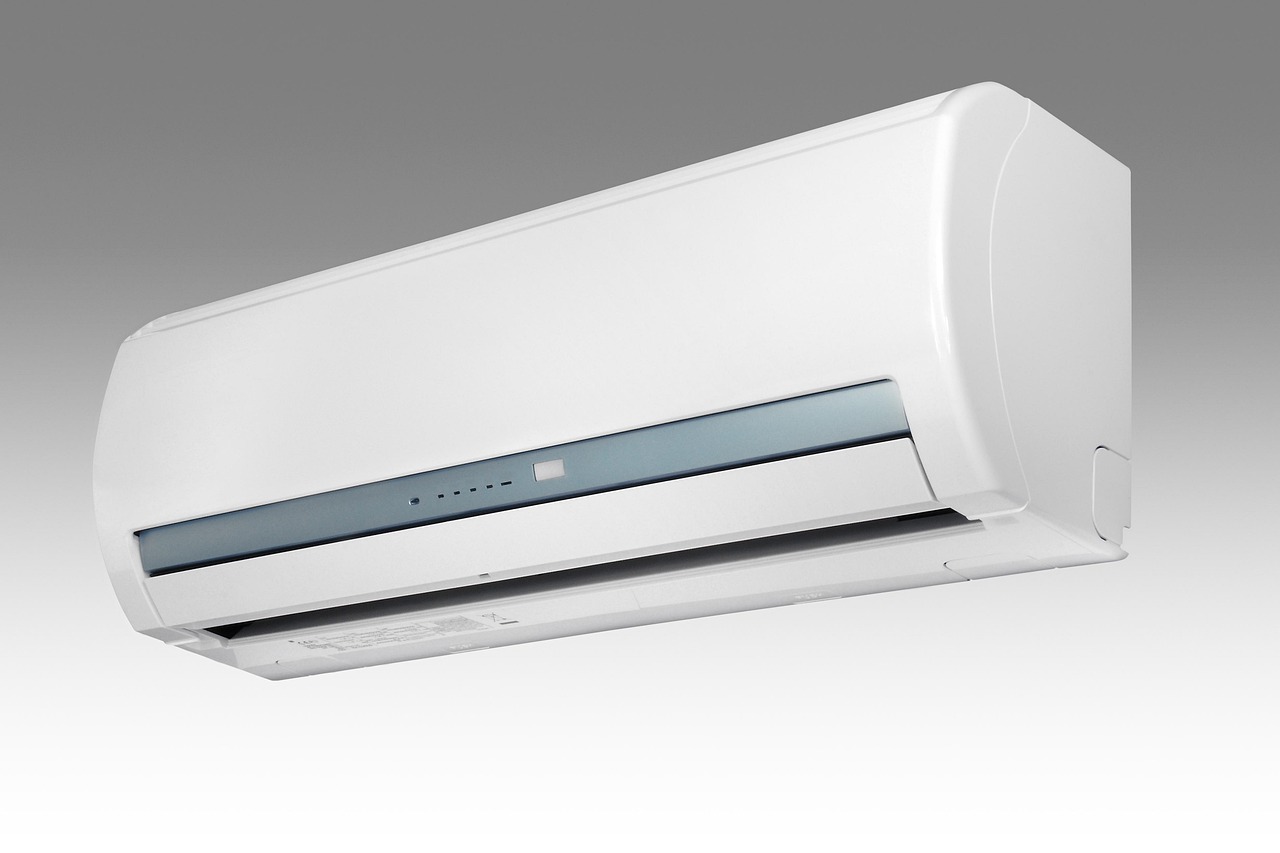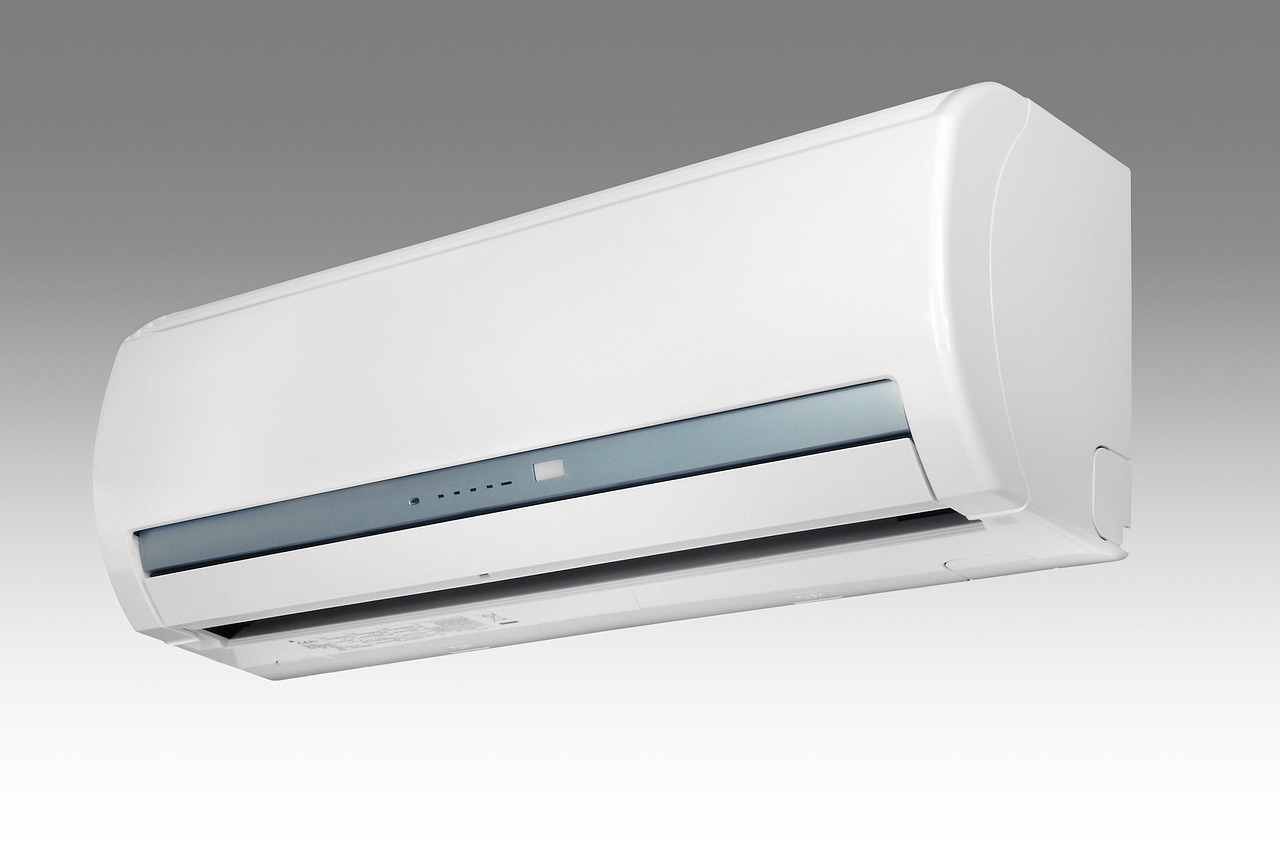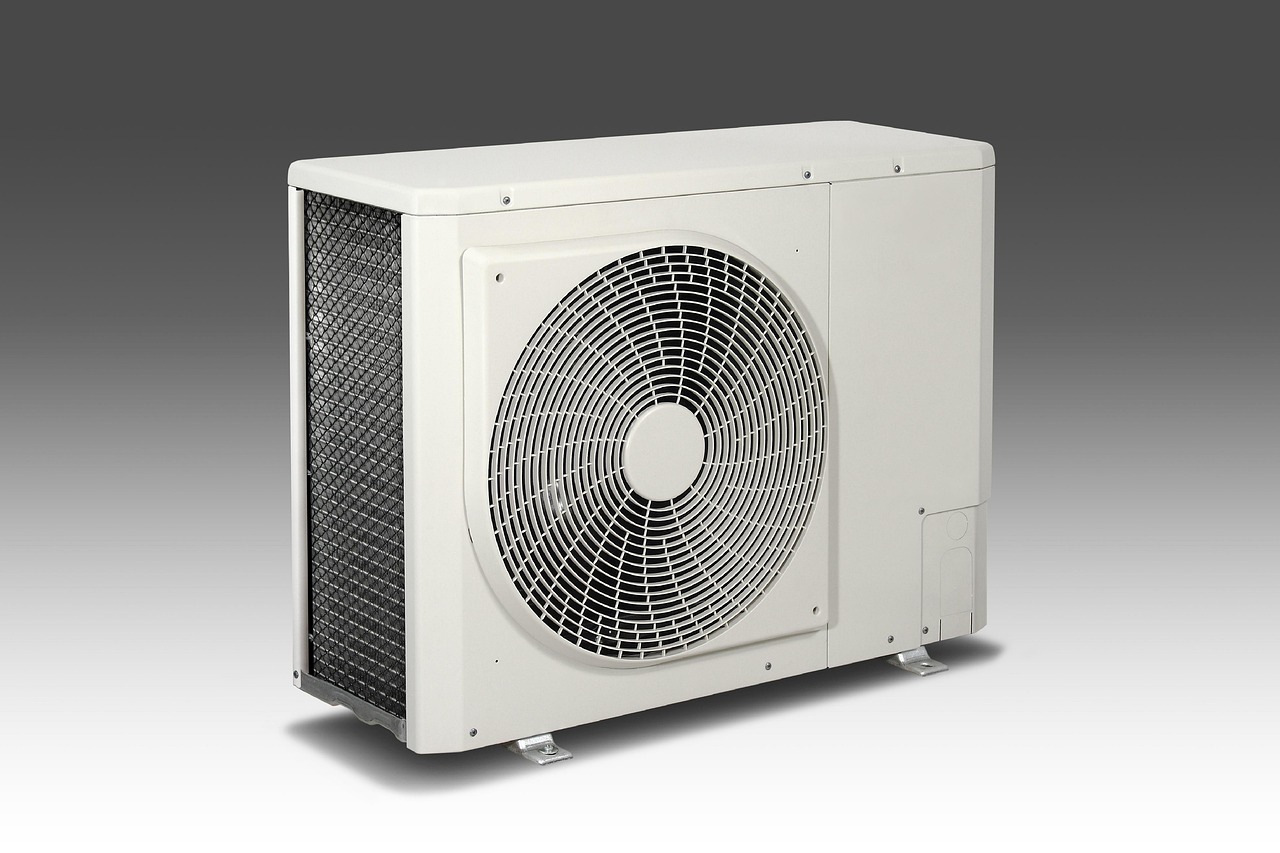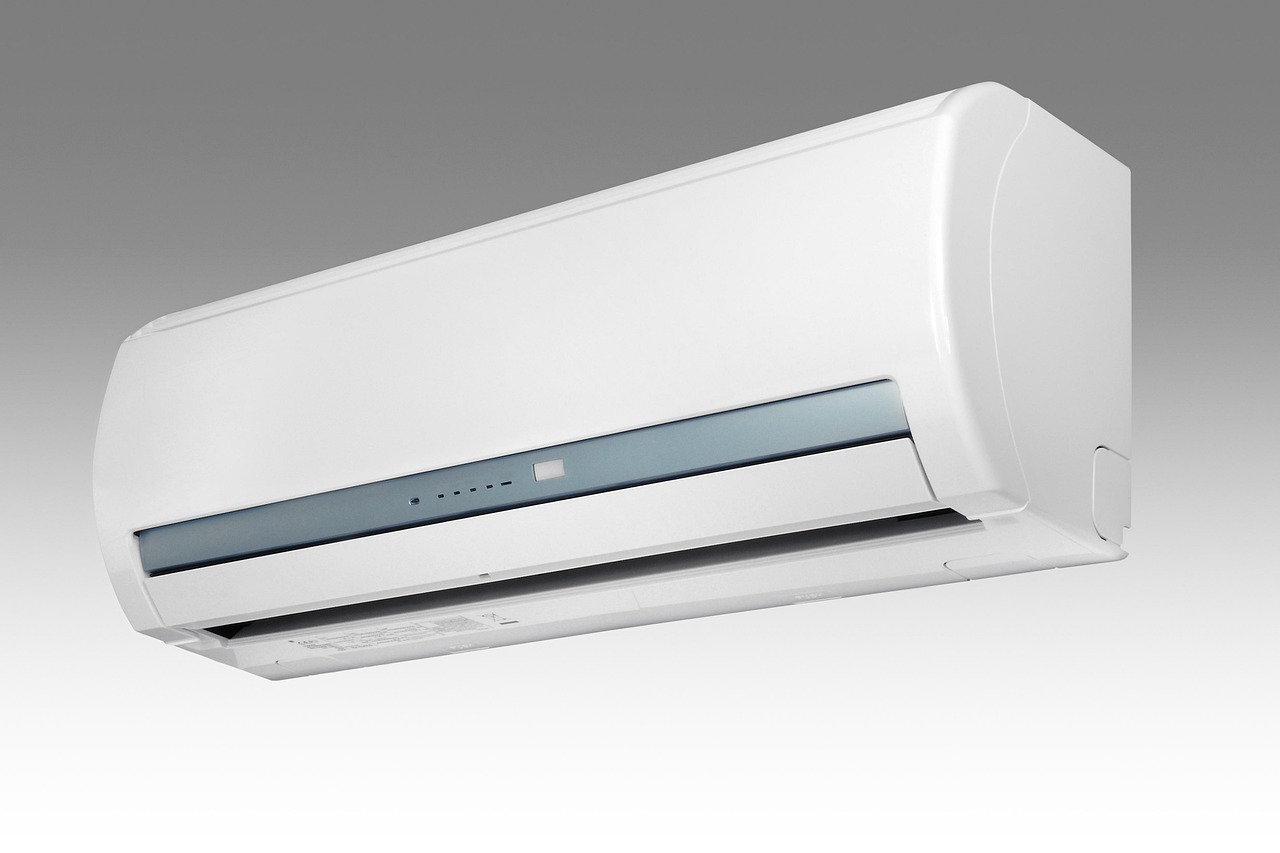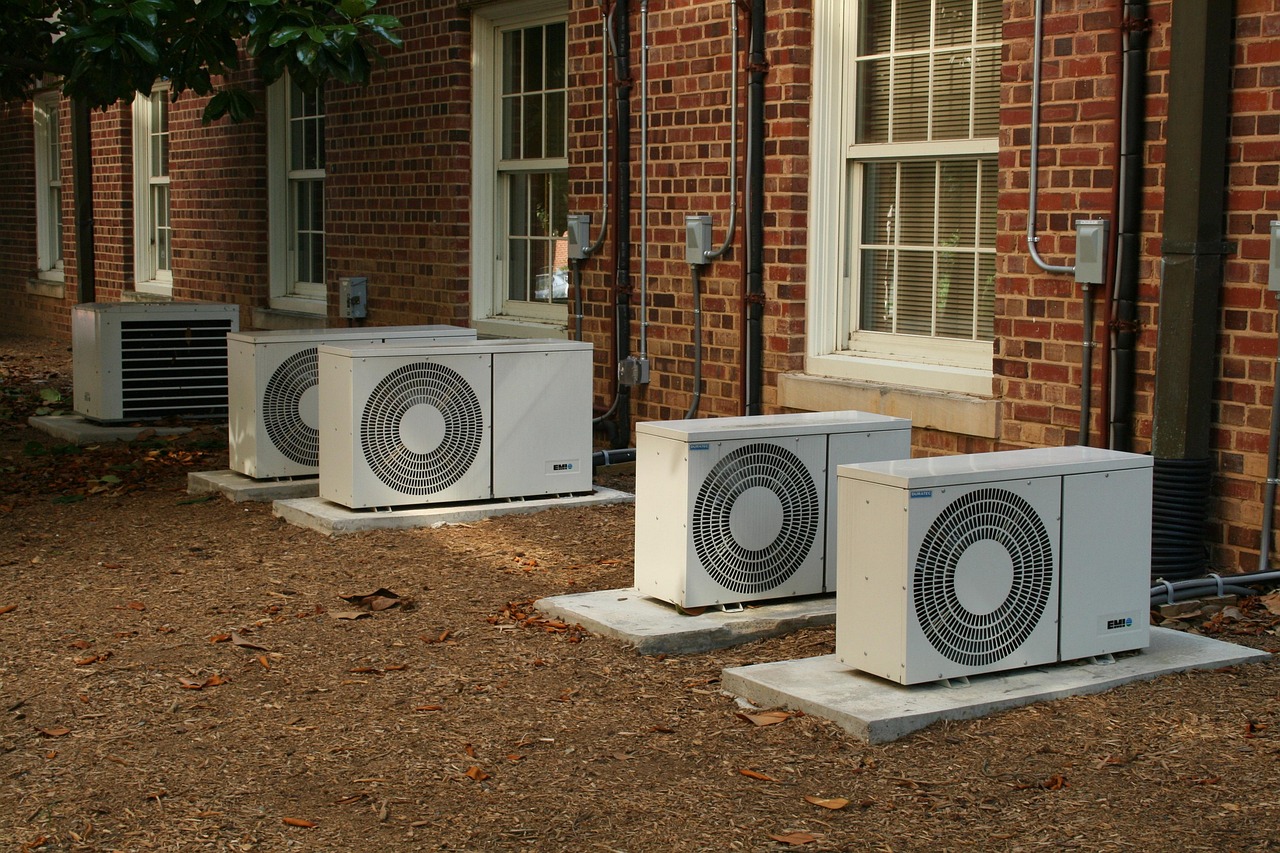







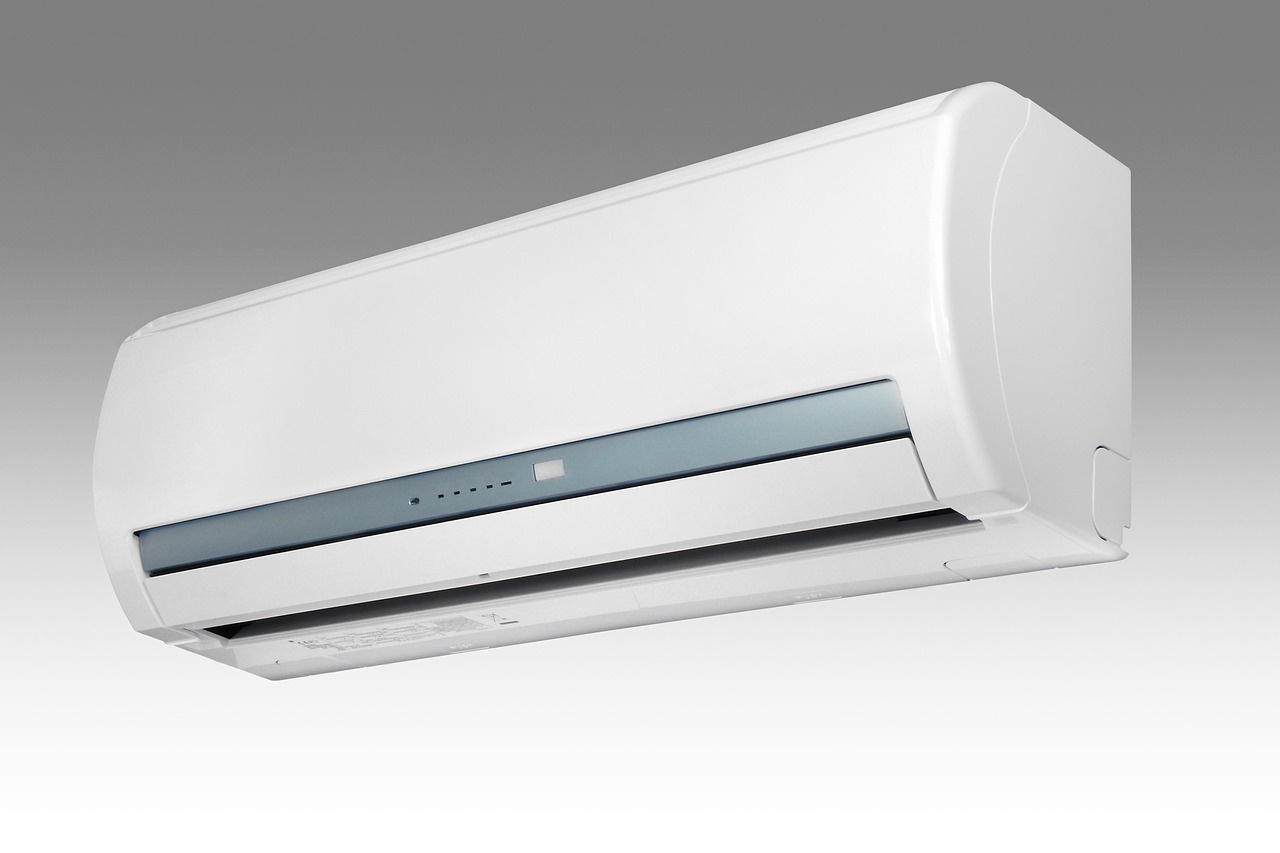
HVAC stands for Heating, Ventilation, and Air Conditioning, a system that controls indoor climate. It keeps spaces comfortable year-round by heating air, distributing it evenly, and cooling it as needed. This technology is vital for homes, offices, and public places, ensuring comfort and air quality.
Key Takeaways
- Regular HVAC maintenance can reduce energy costs by up to 15% and extend the lifespan of your system.
- Smart thermostats can save an average household $180 annually by optimizing heating and cooling.
- Upgrading to Energy Star-rated equipment can lower carbon emissions and improve indoor air quality.
- Proper insulation and sealing air leaks are essential for maximizing HVAC efficiency.
- Using zone control systems allows you to heat or cool only the occupied areas, saving energy.
- Regular filter changes not only improve system performance but also enhance air quality in your home.
- Investing in a high-efficiency HVAC system can pay for itself within 5 years through reduced utility bills.
In the realm of building management, HVAC (Heating, Ventilation, and Air Conditioning) systems stand as the lifeblood of modern comfort and efficiency. From homes to skyscrapers, these systems ensure ambient temperatures, maintain air quality, and foster healthy indoor environments. However, the complexity and sophistication of HVAC technologies also present challenges: energy inefficiency, maintenance hurdles, and the need for advanced control mechanisms. This article delves into the heart of these issues, offering insights into the latest innovations and strategies that promise to revolutionize HVAC, paving the way for smarter, more sustainable buildings of the future.
- Understanding the Basics of HVAC Systems
- Designing and Installing Efficient HVAC Solutions
- Maintaining and Optimizing HVAC Performance
Understanding the Basics of HVAC Systems
Understanding the Basics of HVAC Systems is crucial for any homeowner or property manager in Austin, Texas. HVAC, short for Heating, Ventilation, and Air Conditioning, is a complex yet essential system that regulates indoor comfort year-round. At its core, an HVAC system comprises several key components: heat exchangers, condensers, evaporators, and air handlers, all working together to maintain optimal temperature and air quality. For instance, in the hot Austin summers, an efficient HVAC system cools the air by extracting heat from indoors and expelling it outside, while in winter, it reverses this process to warm the space.
When considering the cost of HVAC systems, several factors come into play. The average cost to replace an HVAC system in Austin can range from $3000 to $5000, with premium systems reaching up to $10,000 or more. The so-called $5000 rule suggests that a quality replacement system should cost around this amount, balancing energy efficiency and longevity. In terms of career prospects, HVAC technicians can expect competitive salaries; according to recent data, the average hourly wage for HVAC techs in Texas is approximately $25, with some experienced professionals earning upwards of $40 per hour. This makes HVAC a lucrative field, rivaling even that of electricians in terms of pay and job availability.
Choosing the right HVAC company is vital for ensuring system longevity and optimal performance. Top-rated HVAC companies in Austin, like ABC Cooling & Heating and Stevens Air Conditioning, are known for their expert installation, maintenance, and repair services. When evaluating an HVAC investment, consider the local climate and specific challenges unique to Austin. Factors such as high humidity levels and scorching summers necessitate a robust, energy-efficient system. Moreover, regular maintenance, typically recommended every 3-5 years, is essential to avoid costly repairs and prolong the lifespan of your HVAC equipment. By understanding these basics and making informed decisions, residents of Austin can enjoy comfortable indoor environments while making wise investments in their homes’ comfort systems.
Designing and Installing Efficient HVAC Solutions
Designing and installing efficient HVAC solutions requires a nuanced understanding of local climates, energy efficiency standards, and best practices. In Austin, Texas, for instance, where the weather is characterized by hot summers and mild winters, selecting the right HVAC system is crucial for both comfort and cost-effectiveness. The $5000 rule for HVAC—a guideline suggesting spending at least $5000 for a new system to ensure quality and energy efficiency—is a sensible benchmark for homeowners. According to recent data, the average cost to replace an HVAC system in Austin ranges from $4000 to $7000, with high-efficiency systems often costing more but offering significant long-term savings.
When designing efficient HVAC solutions, it’s essential to consider factors unique to Austin. Local factors such as high summer humidity and rapid temperature changes necessitate systems capable of handling these conditions effectively. This often translates to selecting air conditioners with high SEER (Seasonal Energy Efficiency Ratio) ratings and heaters with excellent AFUE (Annual Fuel Utilization Efficiency). Top-tier HVAC companies in Austin, like Carrier, Trane, and Lennox, offer products designed to meet these challenges. However, it’s not just about the equipment; proper installation is paramount. Skilled techs must ensure precise sizing, optimal placement, and airtight seals to maximize energy efficiency.
Beyond the initial installation, the longevity of HVAC systems is a significant consideration. On average, HVAC techs in Austin enjoy a decent lifestyle, with a median income surpassing $60,000 annually. This profession’s stability and potential for specialized work make it a viable career path. However, to ensure the best outcomes, homeowners should steer clear of common problems like improper maintenance, inadequate filtering, and incorrect sizing. Regular maintenance, including changing filters and cleaning coils, is crucial for maintaining efficiency and extending system life. By addressing these aspects, Austin residents can enjoy efficient, dependable HVAC systems while avoiding costly repairs and ensuring comfort throughout the year.
Maintaining and Optimizing HVAC Performance
Maintaining and optimizing HVAC performance is crucial for Austin residents to ensure comfortable living and reduce energy costs. The $5000 rule for HVAC suggests investing at least $5000 in a new system every 10 years to maintain efficiency and reliability. In Austin, where average temperatures regularly top 90°F during the summer, an optimized HVAC system can significantly lower utility bills while enhancing indoor air quality.
Choosing the right HVAC company is critical. Top-rated firms like [Company A], [Company B], and [Company C] in Austin have proven track records for quality installations and service. Replacing an outdated system can cost between $4000 to $8000, depending on the size of your home and energy efficiency features. However, the long-term savings, combined with improved comfort and health benefits from clean air, make HVAC a worthwhile investment in Austin’s climate.
Local factors affect HVAC performance, including high humidity levels and dust from construction sites. Technicians often encounter challenges like clogged filters and ductwork issues, leading to inefficient heating and cooling. To avoid these problems, regular maintenance is essential. Change or clean air filters every 3-6 months, have ducts inspected for leaks, and ensure proper sealing around windows and doors.
Moreover, consider the local energy landscape when optimizing HVAC performance. Austin’s utility companies offer various incentives for energy-efficient systems, making upgrades more affordable. By following best practices and choosing reliable professionals, Austin residents can expect longer-lasting HVAC systems that provide superior comfort while aligning with sustainable living goals.
Frequently Asked Questions About HVAC
What is HVAC?
HVAC stands for Heating, Ventilation, and Air Conditioning. It’s a system that controls temperature, humidity, and air quality in indoor environments, such as homes, offices, and public spaces. HVAC systems combine to provide comfort, improve air health, and energy efficiency.
How does an HVAC system work?
An HVAC system uses a refrigerant cycle to heat or cool air. Warm air from the space is drawn into the system, which exchanges heat using a compressor and condenser (for heating) or evaporator (for cooling). The treated air is then circulated back into the space through ducts or vents.
What are the types of HVAC systems?
HVAC systems can be split into central systems, which use ductwork to distribute air throughout a building, and decentralized systems, like mini-split units, which provide heating and cooling for individual rooms. Other types include heat pumps, which offer both heating and cooling capabilities, and geothermal systems that utilize ground temperature for efficiency.
When should I replace my HVAC system?
HVAC systems typically last between 10 to 15 years. If your system is older, consumes high energy, makes unusual noises, or consistently fails to maintain comfortable temperatures, it might be time for a replacement. Regular maintenance can also help extend the lifespan of your current system.
How do I choose the right HVAC size?
Properly sizing an HVAC system ensures optimal performance and energy efficiency. A professional should assess your home’s square footage, climate conditions, insulation, and number of occupants to determine the appropriate cooling and heating capacity in BTUs (British thermal units).
Are there energy-efficient options for HVAC systems?
Yes, many modern HVAC systems come with energy-saving features. High-efficiency models, like those with Energy Star certification, use less electricity or gas. Programmable thermostats also allow you to set temperature schedules, preventing unnecessary heating or cooling and saving energy.
How do I maintain my HVAC system?
Regular maintenance is crucial for keeping your HVAC system running efficiently. This includes changing filters every 3-6 months (depending on usage), cleaning or replacing coils, ensuring proper drainage, and scheduling professional inspections annually to catch any potential issues early.
By understanding the fundamentals of HVAC systems, designing and installing efficient solutions, and maintaining optimal performance, professionals and homeowners alike can harness the power of these essential systems to create comfortable, energy-efficient environments. This article has provided authoritative insights into each critical aspect of HVAC management, equipping readers with the knowledge to make informed decisions and take proactive steps. Key takeaways include the importance of proper system design, the benefits of regular maintenance, and the significant energy savings achievable through optimization. Moving forward, implementing these strategies will not only enhance comfort but also contribute to sustainable practices in the ever-evolving landscape of HVAC technology.