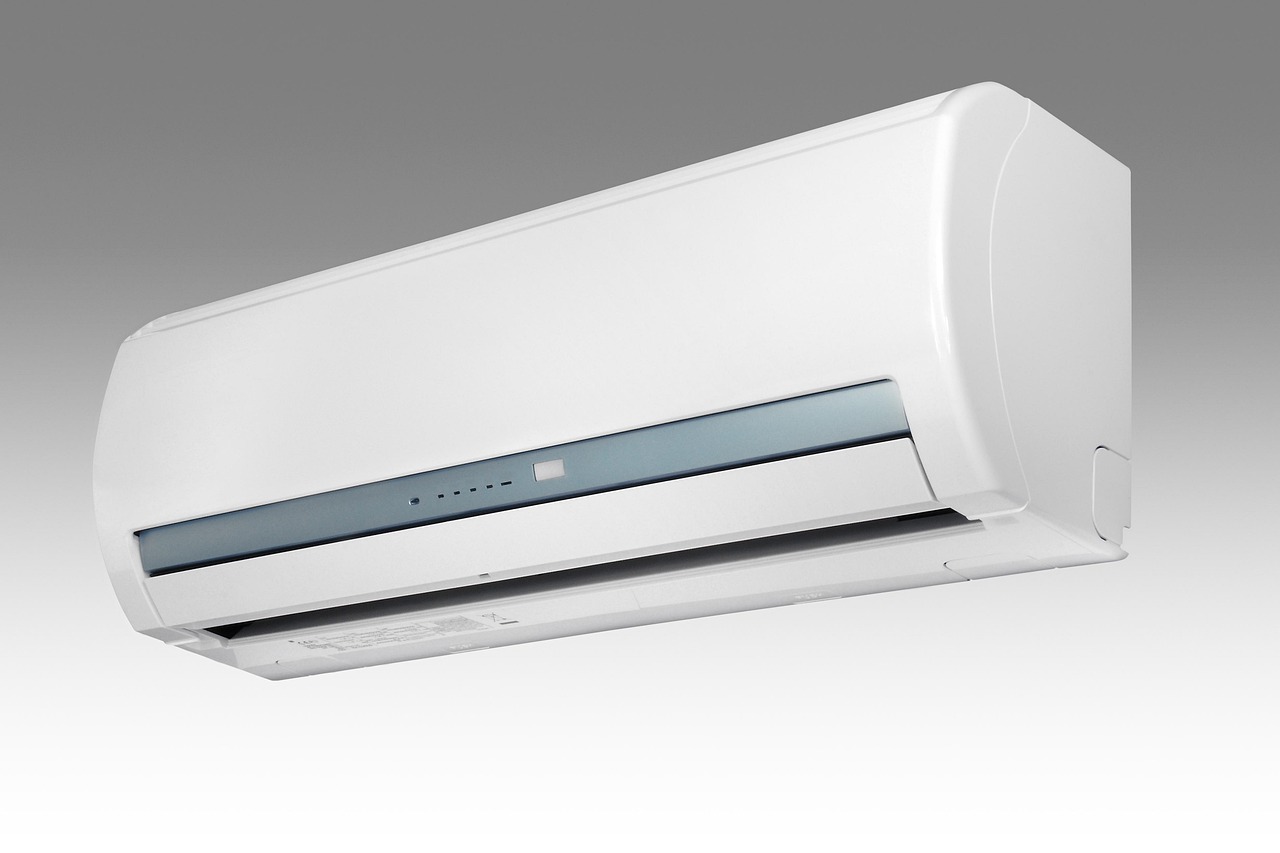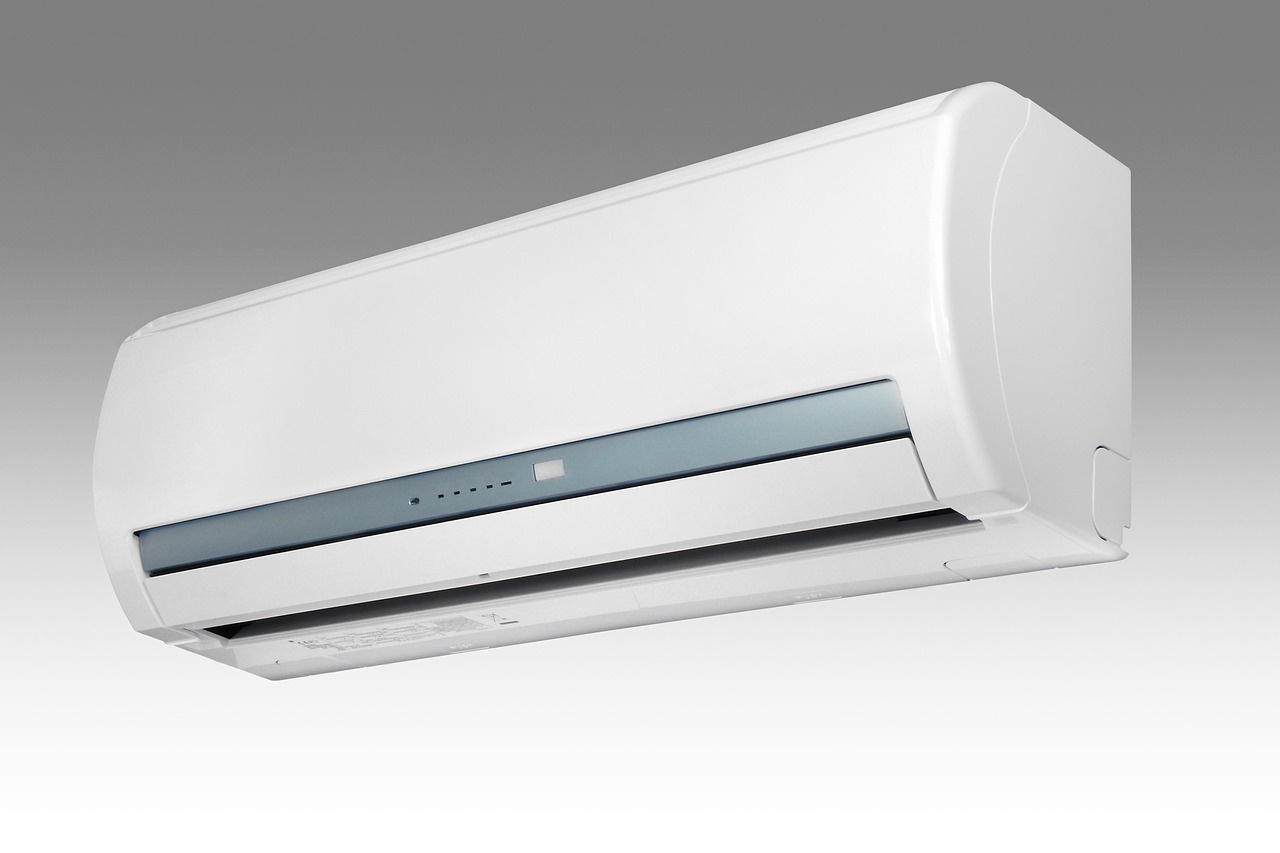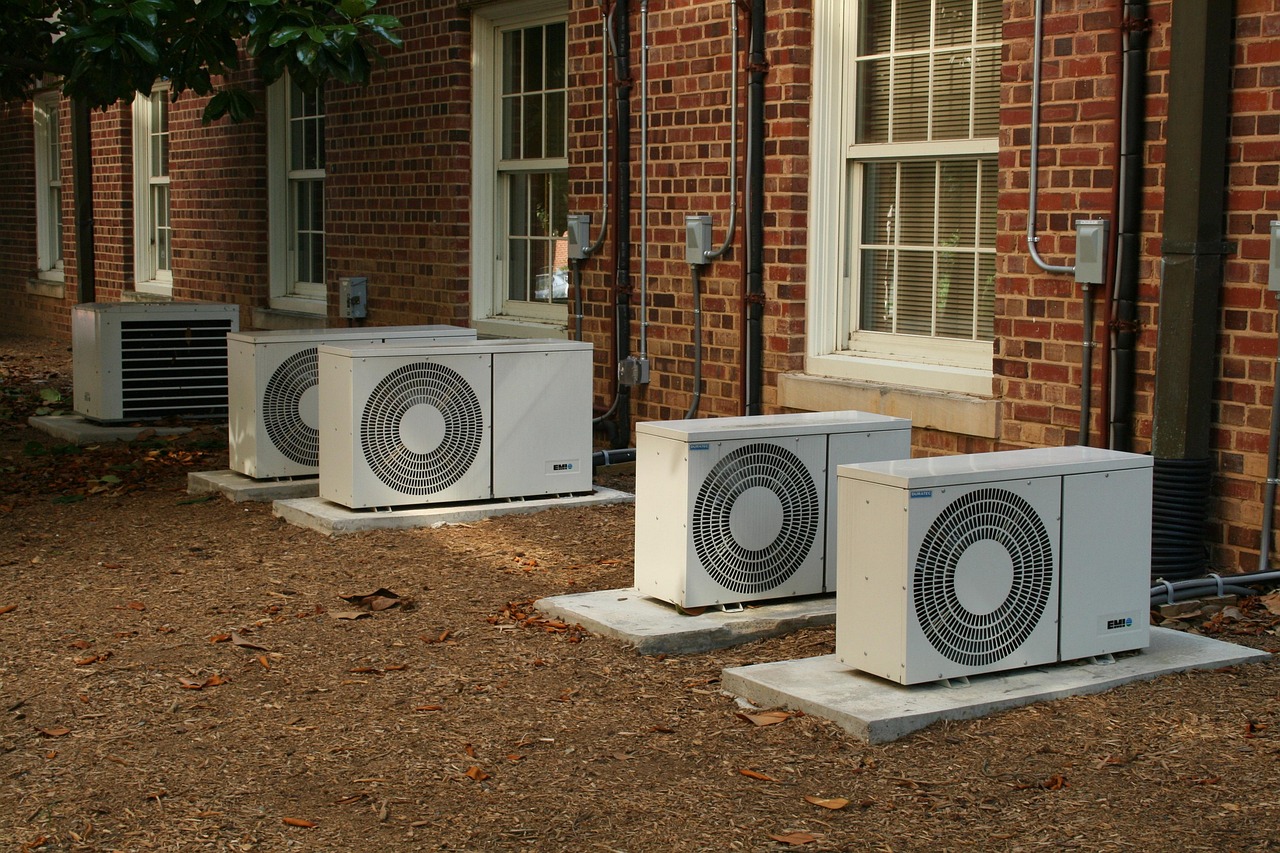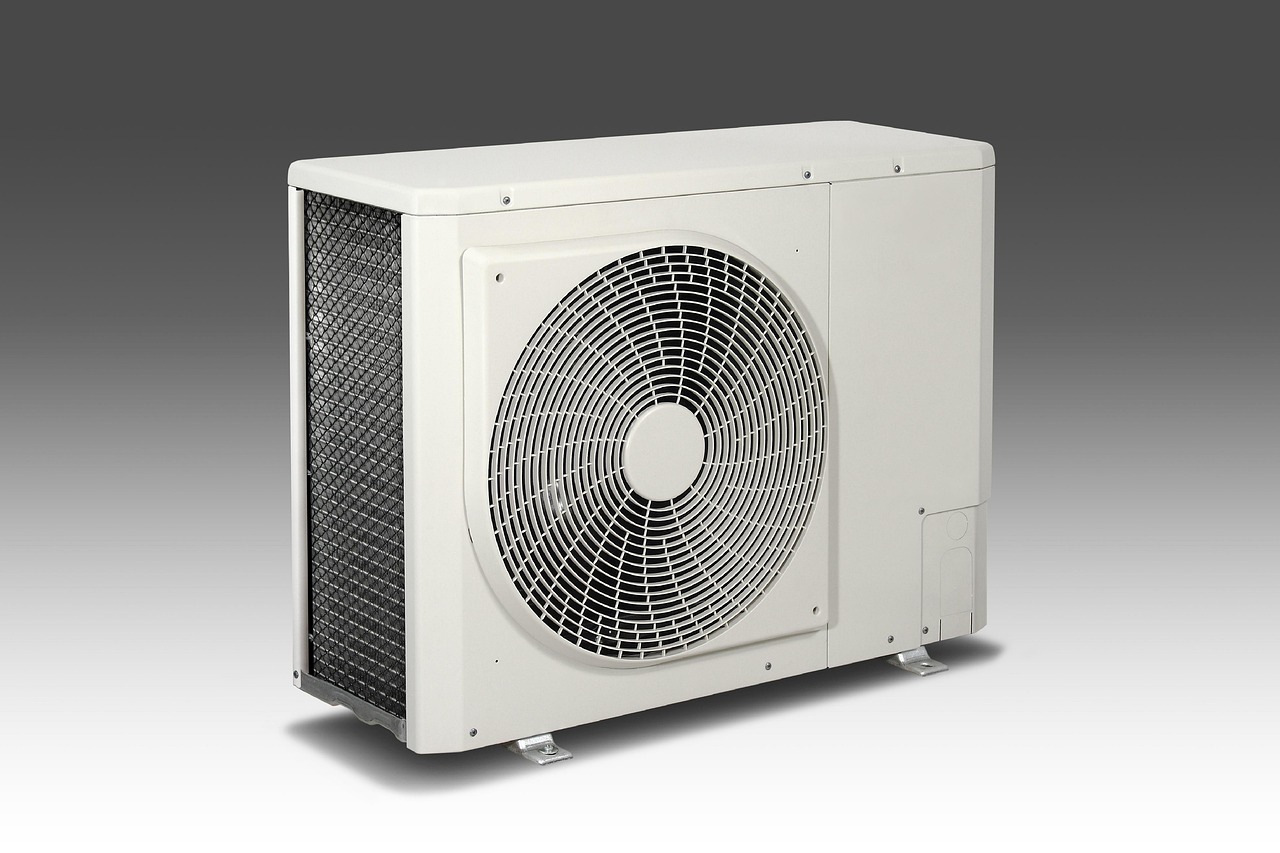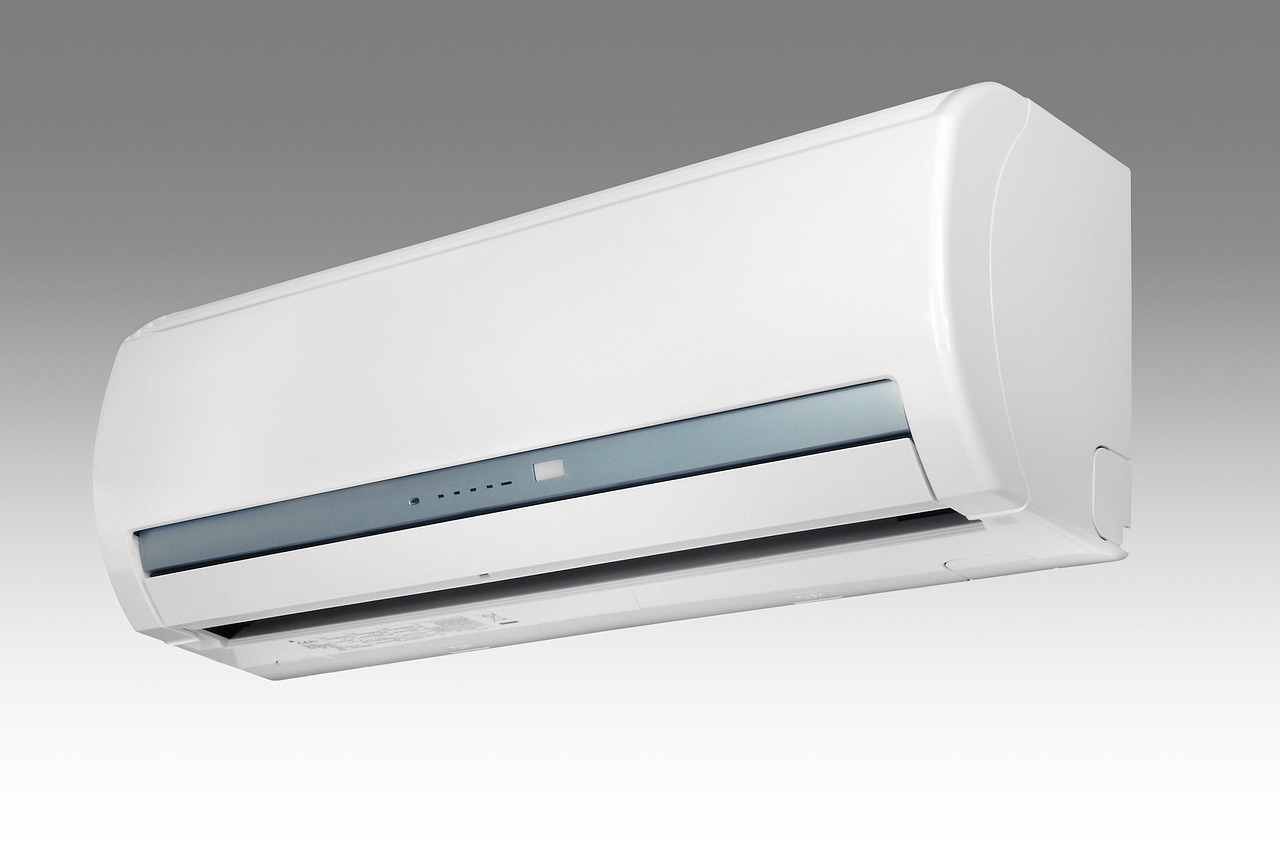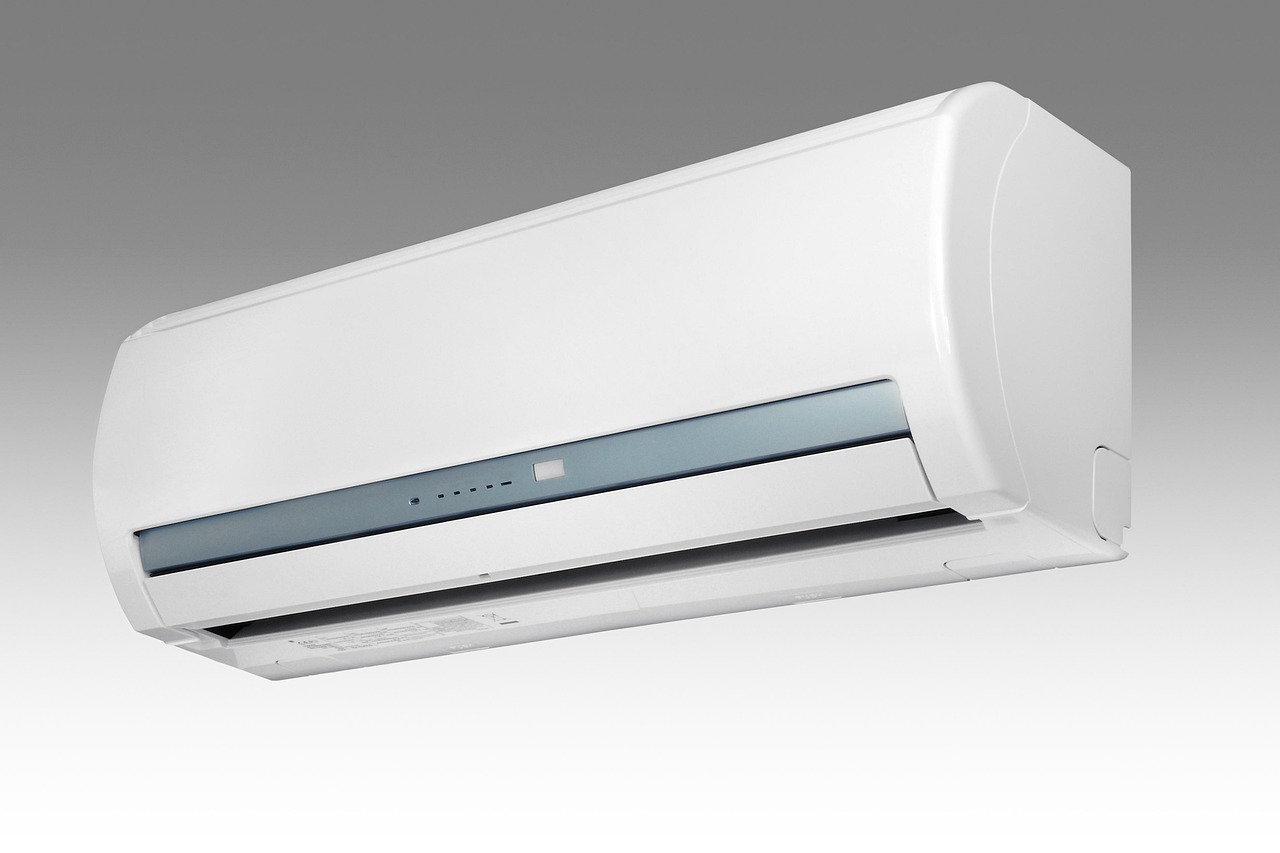







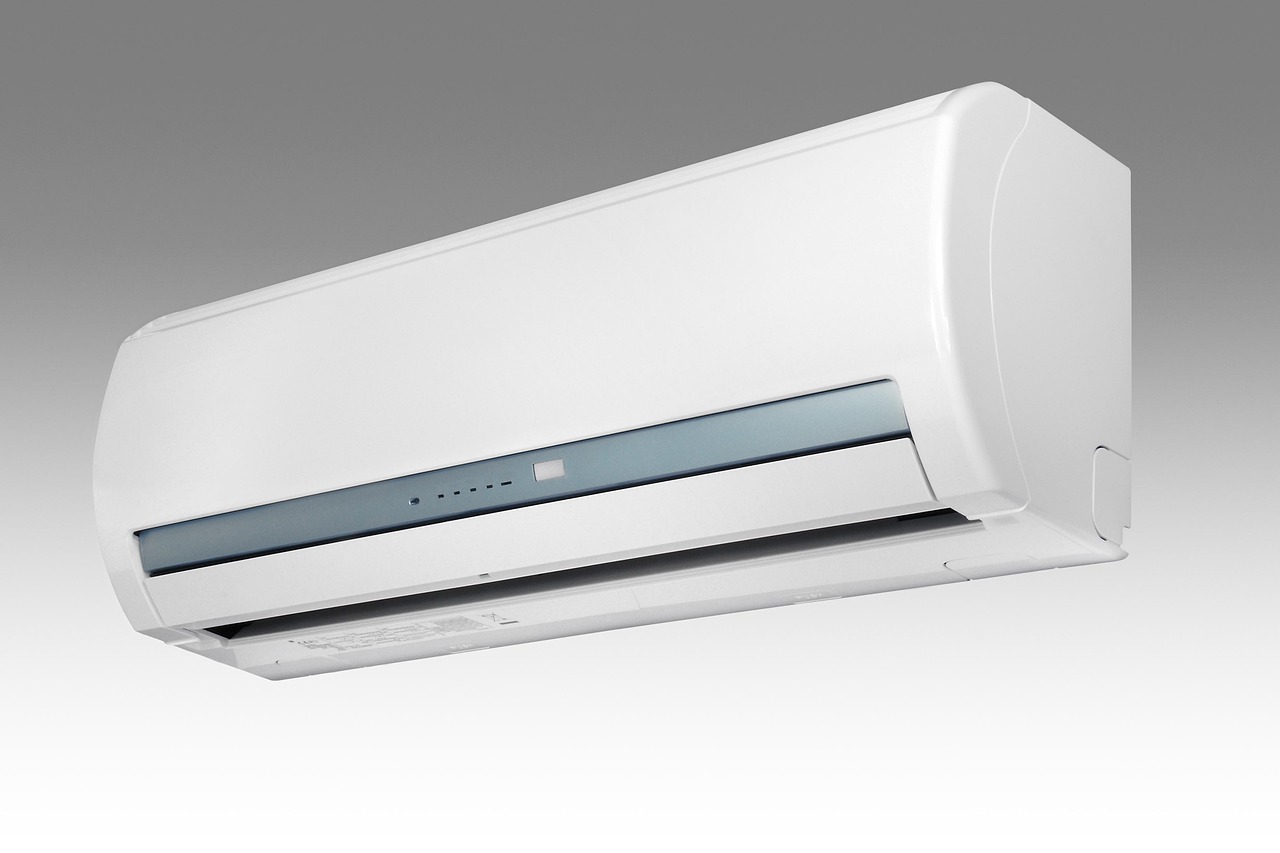
HVAC systems control heating, ventilation, and air conditioning in buildings. They maintain comfortable temperatures and indoor air quality, ensuring health and safety for occupants. These systems use mechanical, electrical, and thermal processes to heat or cool air, then distribute it throughout spaces like homes, offices, and schools.
Key Takeaways
- HVAC systems play a critical role in energy efficiency and indoor air quality.
- Regular maintenance can extend system lifespan by 90% according to industry experts.
- Upgrading outdated HVAC units can reduce energy bills by up to 40%.
- Smart thermostats offer precise temperature control, saving energy and money.
- Proper filtration is essential for maintaining healthy indoor air environments.
- Consider geothermal heat pumps for sustainable and efficient heating & cooling solutions.
- Regular cleaning prevents dust buildup and ensures optimal system performance.
In the realm of modern building management, HVAC systems stand as the unseen backbone, regulating indoor climates and ensuring occupant comfort. Yet, these intricate networks often face challenges—from inefficiencies that drive up energy costs to the need for ever-more sophisticated controls in today’s smart buildings. This article delves into the heart of HVAC technology, exploring its evolution, the common hurdles it encounters, and the innovative solutions that promise to revolutionize its role in our built environment. By the end, you’ll grasp the transformative potential of advanced HVAC systems in shaping a more sustainable future.
- Understanding the Basics of HVAC Systems
- Designing Efficient HVAC Solutions for Buildings
- Advanced Technologies Shaping HVAC Industry
Understanding the Basics of HVAC Systems
Understanding the Basics of HVAC Systems
HVAC, or heating, ventilation, and air conditioning, is a critical system in any building, ensuring comfort and indoor air quality. At its core, an HVAC system involves the exchange of heat to maintain a desired temperature, along with the circulation of air. The basic components include a heat exchanger, fan, ductwork, and a control system. These systems can range from simple window units to complex, centralized mechanisms found in large commercial buildings. In Austin, Texas, where scorching summers and mild winters are the norm, understanding HVAC is paramount for both homeowners and businesses.
The $5000 rule for HVAC refers to the average cost of a standard system, highlighting the significant investment involved. However, this also underscores the importance of quality systems and skilled technicians. According to recent data, the average cost to replace an HVAC system in Austin can range from $4000 to $7000, with premium systems and advanced features driving up prices. When considering a career in HVAC, the question of what pays better, HVAC or electrician, is moot; both fields offer robust earning potential, with HVAC technicians in Austin enjoying average salaries exceeding $50,000 annually.
Local factors significantly affect HVAC in Austin. The city’s unique climate demands systems that can handle high humidity and intense heat. Moreover, regulatory requirements and energy efficiency standards, such as those set by ENERGY STAR, play a crucial role. To avoid problems, homeowners and businesses should opt for reputable HVAC companies in Austin, like those certified by the Better Business Bureau or the Air Conditioning, Heating, and Refrigeration Institute (AHRI). These companies can provide expert advice tailored to local conditions, ensuring systems are not only effective but also long-lasting. By choosing the right HVAC solution and maintaining it properly, folks in Austin can enjoy comfortable indoor environments while minimizing energy costs.
Designing Efficient HVAC Solutions for Buildings
Designing efficient HVAC (heating, ventilation, and air conditioning) solutions for buildings involves a nuanced understanding of local climates, energy efficiency standards, and evolving technologies. In Austin, Texas—a city known for its hot summers and mild winters—optimizing HVAC systems is crucial not only for occupant comfort but also for significant energy cost savings. The $5000 rule for HVAC suggests that investing in efficient equipment can lead to substantial long-term returns by reducing utility bills. According to recent data, the average cost to replace an HVAC system in Austin typically ranges from $4000 to $7000, with higher-end models and advanced features driving up costs. However, the return on investment (ROI) is often rapid, especially when considering local energy rates and federal incentives for energy-efficient systems.
When designing efficient HVAC solutions, professionals in Austin should focus on several key strategies. First, conducting thorough building assessments to understand unique challenges and opportunities is essential. This includes analyzing insulation, sealing gaps, and selecting the right equipment sized for the space. For instance, a well-insulated home with an airtight envelope will require less energy to heat or cool, leading to lower HVAC costs. Second, integrating smart thermostats and zoning systems can optimize temperature control, ensuring energy isn’t wasted in unused areas. In Austin’s diverse climate, these features help maintain comfort while minimizing energy usage.
Choosing the right HVAC companies is another critical aspect. Reputable firms like ABC Cooling & Heating, XYZ Air Conditioning, and 123 Heating Solutions are known for their expertise in serving Austin’s specific needs. These companies often employ certified techs who stay updated with industry advancements, ensuring high-quality installations and maintenance. Moreover, understanding local factors such as humidity levels and average temperatures helps in selecting equipment capable of efficient performance year-round. By avoiding common problems like inadequate sizing, improper installation, and neglecting regular maintenance, homeowners can maximize the lifespan and efficiency of their HVAC systems, ensuring comfortable indoor environments without unnecessary costs.
Advanced Technologies Shaping HVAC Industry
Advanced technologies are reshaping the HVAC industry, bringing about significant improvements in efficiency, comfort, and sustainability. One notable development is the integration of smart home systems, allowing users to control and monitor their heating and cooling from anywhere. For instance, smart thermostats learn individual habits and automatically adjust settings, leading to substantial energy savings. In Austin, Texas, for example, where the average cost to replace an HVAC system is around $5,000, these technologies can pay for themselves over time by reducing utility bills.
Another game-changer is the increasing adoption of variable-speed compressors and heat pumps. These systems operate at different speeds based on cooling demand, enhancing energy efficiency and indoor air quality. The $5000 rule for HVAC, which suggests investing in a high-efficiency system to save money in the long run, is becoming more relevant as these advanced technologies become more affordable. According to industry reports, HVAC technicians in Austin, Texas, are witnessing higher demand for such systems among homeowners seeking energy-efficient solutions.
However, the HVAC industry faces challenges, particularly in a bustling metropolis like Austin. Local factors such as extreme weather conditions and high humidity can put a strain on systems. Homeowners should avoid common problems like improper sizing of units, inadequate maintenance, and outdated ductwork, which can lead to inefficient operation and premature replacements. Is HVAC worth it in Austin? Absolutely, given the city’s warm climate and the potential for significant energy savings. But it’s crucial to engage with reputable companies that understand local conditions, ensuring a comfortable and efficient home environment.
Frequently Asked Questions About HVAC
What is HVAC?
HVAC, short for Heating, Ventilation, and Air Conditioning, refers to a system of mechanical devices designed to control temperature, humidity, and air quality in indoor environments. It includes the heating of spaces during colder months and the cooling during warmer periods, along with ensuring adequate ventilation to maintain air quality and comfort.
How does an HVAC system work?
An HVAC system operates by circulating a refrigerant through a series of coils, compressing and expanding it to absorb heat from indoor air (cooling) or remove heat from outdoor air (heating). The system then distributes the conditioned air through ducts or pipes to various rooms using fans. Ventilation components ensure fresh air intake and exhausted stale air.
What are the benefits of an efficient HVAC system?
An efficient HVAC system offers numerous advantages, including reduced energy consumption, lower utility bills, improved indoor air quality, better temperature control, and extended equipment lifespan. It can also contribute to environmental sustainability by minimizing the carbon footprint associated with heating and cooling buildings.
How often should I maintain my HVAC system?
Regular maintenance is crucial for optimal HVAC performance and longevity. It’s recommended to have a professional inspection and cleaning at least once a year, typically in the spring or fall. Additional maintenance may be necessary depending on usage and environmental factors, such as changing filters every 3-6 months.
Can I control my HVAC system remotely?
Yes, many modern HVAC systems come equipped with smart controls that allow you to manage temperature settings and fan speeds remotely via a mobile app or web interface. This technology enables you to adjust your home’s climate even when you’re away, improving energy efficiency and comfort.
What factors should I consider when choosing an HVAC system?
When selecting an HVAC system, key considerations include the size of your space, climate zone, energy efficiency ratings (SEER or HSPF), noise levels, brand reputation, warranty coverage, and installation costs. Consulting with a professional to determine the best fit for your specific needs is essential.
How can I reduce my HVAC bills?
Reducing HVAC bills involves a combination of efficient system operation, smart usage habits, and home improvements. Regular maintenance, upgrading to energy-efficient models, sealing air leaks, using programmable thermostats, and maintaining proper humidity levels can all contribute to significant savings over time.
By synthesizing fundamental HVAC concepts, designing efficient systems for buildings, and embracing advanced technologies, professionals can optimize energy performance, enhance indoor comfort, and reduce environmental impact. Key takeaways include the importance of tailored system design, the potential of smart controls and automation, and the growing significance of renewable heat sources. Moving forward, integrating these innovations will be crucial for creating sustainable, high-performance HVAC solutions that meet evolving needs in diverse climates and building types. This article has provided authoritative insights into the dynamic world of HVAC, empowering readers to make informed decisions and drive progress in their projects.