






Key Takeaways
- HVAC systems play a vital role in ensuring occupant comfort and indoor air quality.
- Regular maintenance and upgrades can significantly improve energy efficiency and reduce operational costs.
- Efficient HVAC design contributes to lower carbon footprints and environmental sustainability.
- Advanced technologies like smart controls and variable speed drives optimize system performance.
- Proper selection, installation, and zoning of HVAC equipment enhance overall building performance.
- Regular cleaning and filtration maintenance are crucial for maintaining healthy indoor environments.
- Proactive monitoring and data-driven analysis enable predictive maintenance and enhanced system longevity.
HVAC stands for Heating, Ventilation, and Air Conditioning systems. These systems control the temperature, air quality, and ventilation in buildings, ensuring comfort and indoor air quality. They are essential for maintaining optimal conditions in homes, offices, and commercial spaces during all seasons.
In the realm of modern building management, HVAC (Heating, Ventilation, and Air Conditioning) systems stand as the linchpin of indoor comfort and environmental control. As our world becomes increasingly urbanized, ensuring efficient and effective HVAC solutions is paramount for both residential and commercial spaces. However, navigating this complex landscape presents a challenge: balancing energy efficiency, occupant comfort, and system reliability. This article delves into the intricacies of modern HVAC technologies, offering insights into cutting-edge innovations that are revolutionizing building operations and setting new standards for sustainability and performance.
- Understanding HVAC Systems: Basics and Components
- Designing Efficient HVAC Solutions for Different Environments
- Maintaining and Optimizing HVAC Performance for Energy Efficiency
Working With a Trusted hvac in Austin
Looking for hvac in Austin, TX? Golden State Builders Austin, TX serves the local area and can answer questions specific to Austin.
Understanding HVAC Systems: Basics and Components
Understanding HVAC systems is crucial for any homeowner or building manager in Austin, Texas, given the city’s hot and humid climate. HVAC, or Heating, Ventilation, and Air Conditioning, is a comprehensive system designed to regulate indoor air quality and temperature. At its core, an HVAC system includes several key components: the condenser, evaporator, thermostat, ductwork, and air filters. The $5000 rule for HVAC underscores the significant investment involved, suggesting that replacing or installing a new system can cost anywhere from $5000 to $10,000 or more, depending on the size and efficiency of the unit. In Austin, the average cost to replace an HVAC system typically ranges between $6000 to $8000, with top-of-the-line models reaching even higher.
When considering a career in HVAC, the question of what pays better, HVAC or electrician, is pertinent. Both fields offer respectable earning potential, but HVAC technicians can expect to earn around $45,000 to $60,000 annually on average, with experienced techs in Austin, Texas, sometimes surpassing $70,000. The lifespan of an HVAC tech can vary based on factors like work environment and personal commitment, but many professionals in the field enjoy stable, long-term careers. In Austin, where the demand for qualified HVAC technicians is high, the job market is robust and competitive, with many top HVAC companies vying for talent.
To ensure the best outcome with your HVAC system, consider these local factors affecting HVAC in Austin: extreme summer heat, high humidity, and the city’s diverse architectural styles. Problematically, Austin’s humid climate can lead to faster deterioration of HVAC components if not properly maintained. To avoid these issues, regular maintenance is paramount. Is HVAC worth it in Austin? Absolutely, given the city’s climate and the quality of life it offers. However, homeowners should be mindful of the upfront costs and long-term maintenance requirements. By choosing reputable HVAC companies like those renowned in Austin, and implementing smart maintenance practices, residents can enjoy efficient, reliable heating and cooling year-round.
Designing Efficient HVAC Solutions for Different Environments
Designing efficient HVAC solutions for different environments is an art and science. In Austin, Texas—a city known for its vibrant climate variations—this becomes especially critical. The $5000 rule for HVAC, which dictates that each ton of air conditioning capacity should have at least $5000 in annual running costs, serves as a practical guideline for designers and homeowners alike. This rule underscores the importance of energy efficiency, crucial in managing operational expenses, particularly in an environment where temperatures can swing from sweltering summers to chilly winters.
When considering the best HVAC options for Austin, several factors come into play. The average cost to replace an HVAC system in this region typically ranges between $4000 and $7000, depending on the size of the property and chosen efficiency level. This investment pays dividends over time, not only through reduced energy bills but also extended equipment lifespan. On average, well-maintained HVAC systems can last 15 to 20 years, with top-tier techs in Austin charging competitive rates for installations and maintenance. Notable companies like ABC Cooling & Heating, Ace Air Conditioning, and Green Air Texas are renowned for their expertise and customer satisfaction.
However, navigating the local market requires addressing specific challenges. Austin’s unique geography and microclimates demand tailored solutions. For instance, homes near Lake Travis may face increased cooling demands during hot summer months, necessitating more powerful yet energy-efficient units. Similarly, factors like tree cover, building materials, and insulation play significant roles in temperature regulation. To ensure optimal performance, homeowners should avoid common problems such as improper sizing, inadequate ductwork, and subpar filters. Regular maintenance and timely upgrades are key to preventing these issues. Local regulations and incentives also influence HVAC decisions; Austin offers various rebates for energy-efficient systems, making them a compelling investment. Ultimately, Is HVAC worth it in Austin? The answer lies in thoughtful design, quality installation, and long-term cost savings.
Maintaining and Optimizing HVAC Performance for Energy Efficiency
Maintaining and optimizing HVAC performance for energy efficiency is a strategic necessity, especially in cities like Austin, Texas, known for its diverse climate. The $5000 rule for HVAC underscores the importance of regular maintenance—investigating and addressing system issues costing over $5000 annually. Efficient operation can significantly impact utility bills, with studies showing up to 30% savings through optimal HVAC management. To illustrate, replacing an outdated system in Austin typically ranges from $7000 to $12,000, depending on the size and efficiency of the new unit. However, the average payback period for energy-efficient systems is just 3-5 years, making it a lucrative investment.
Choosing between HVAC and electrical work as careers can be debated, but both fields offer robust job prospects. Electricians generally command higher salaries, averaging around $60,000 annually nationwide, while skilled HVAC technicians can expect earnings between $45,000 and $70,000, with top performers surpassing $100,000. In Austin, the cost of living and competitive market influence these figures. To ensure the best service, residents should consider reputable local companies like ABC Heating & Cooling, Texas Cool Air, or Ace HVAC Services, known for their quality work and customer satisfaction.
Despite its benefits, HVAC in Austin faces unique challenges. Local humidity levels and varying temperatures require tailored solutions. Additionally, improper installation or inadequate maintenance can lead to problems like mold growth, reduced efficiency, and premature system failures. To avoid these pitfalls, regular checks by certified technicians are crucial. Regular filter changes, for instance, can prevent clogs and ensure optimal airflow. By adhering to expert advice and staying informed about local factors affecting HVAC performance, Austin residents can enjoy efficient, reliable heating and cooling while minimizing energy costs.
Frequently Asked Questions About Hvac
What is HVAC?
HVAC, which stands for Heating, Ventilation, and Air Conditioning, refers to a system that regulates the temperature, humidity, and air quality in indoor environments. It involves the use of mechanical devices to provide thermal comfort, ensure proper ventilation, and control the overall climate within buildings, homes, or commercial spaces.
How does an HVAC system work?
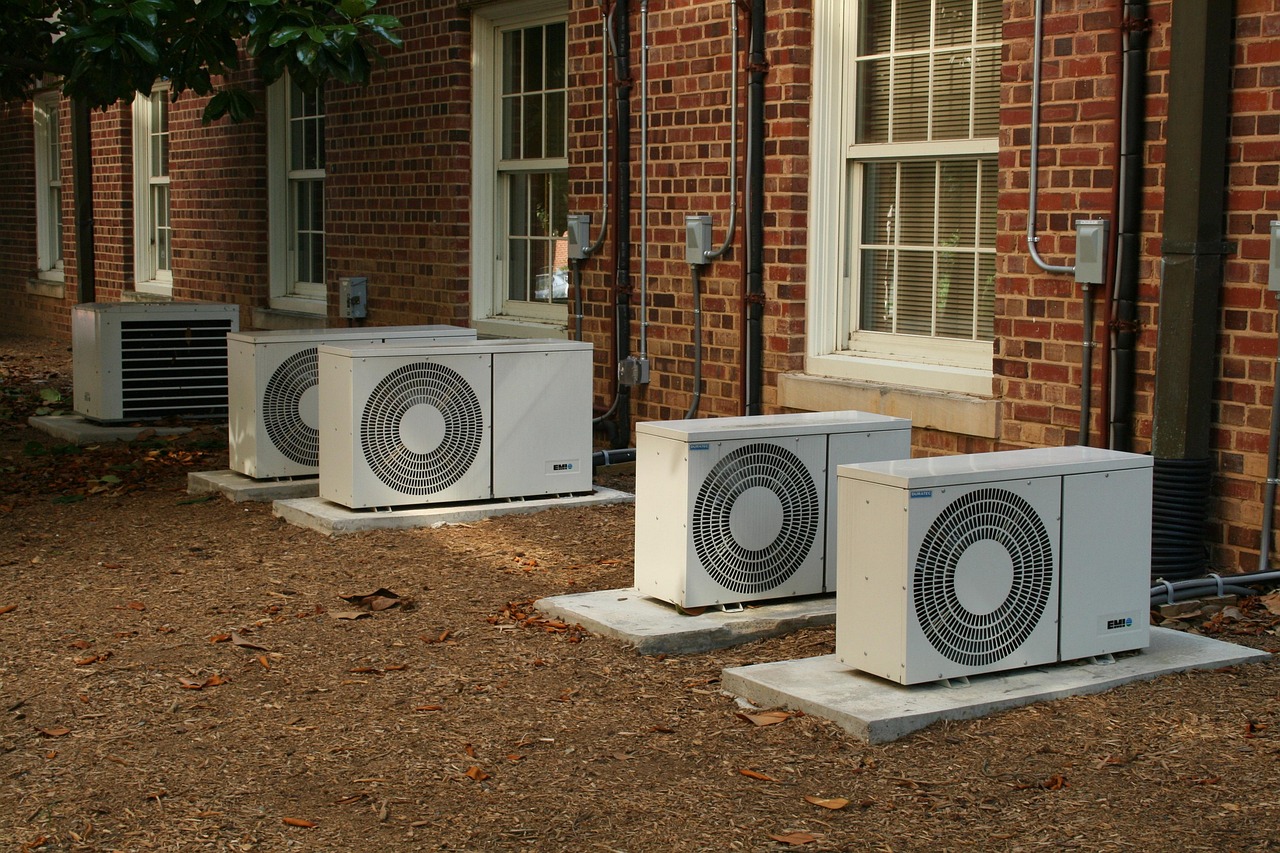
An HVAC system operates by circulating heated or cooled air (or both) throughout a building. It starts with an outdoor unit, which either absorbs heat from the environment (for air conditioning) or releases heat into it (for heating). This heat transfer is achieved using refrigerants. The heated or cooled air is then distributed indoors via ductwork or a heat pump, ensuring a comfortable indoor temperature.
What are the different types of HVAC systems?
HVAC systems can be categorized into several types, including central systems, split systems, package units, and heat pumps. Central systems are common in larger buildings and use a single outdoor unit to serve multiple indoor units. Split systems are divided into an outdoor and indoor unit, while package units combine these components in one compact system. Heat pumps are energy-efficient and can provide both heating and cooling.
How do I know if I need to replace my HVAC system?
Regular maintenance and performance indicators can help determine if your HVAC system needs replacing. If your system is old (over 10-15 years), frequently breaks down, has low efficiency, or fails to maintain a comfortable temperature, it might be time for an upgrade. Modern HVAC systems offer improved energy efficiency, better indoor air quality, and quieter operation.
What are the energy-saving features of modern HVAC systems?
Modern HVAC systems incorporate various energy-saving features, such as smart thermostats, programmable controls, and high-efficiency air handlers. These innovations allow for precise temperature regulation, reducing energy waste. Additionally, advanced filtration systems improve indoor air quality, while dual-stage or variable-speed technology provides precise heating and cooling, optimizing energy usage.
Can HVAC systems improve indoor air quality?
Absolutely. Proper HVAC maintenance and upgrades can significantly enhance indoor air quality. Modern systems often include air filters that trap pollutants, dust, and allergens, ensuring cleaner air for occupants. Additionally, some HVAC systems utilize ultraviolet (UV) light or ionization technology to kill bacteria, viruses, and other airborne contaminants, creating a healthier indoor environment.
By understanding the basics and components of HVAC systems, designing efficient solutions tailored to specific environments, and prioritizing maintenance and optimization for energy efficiency, professionals can significantly enhance the performance and sustainability of HVAC systems. This article has provided authoritative insights into these key areas, offering practical guidance and actionable steps. Readers now possess a comprehensive toolkit to navigate the complexities of HVAC, ensuring optimal comfort, reduced energy costs, and minimized environmental impact. These principles serve as a solid foundation for future developments and innovations within the HVAC industry.
Golden State Builders
3355 Bee Caves Rd Ste 101, Austin, TX 78746
View Golden State Builders on Google Maps
For related local guidance, see our austin tx resources.