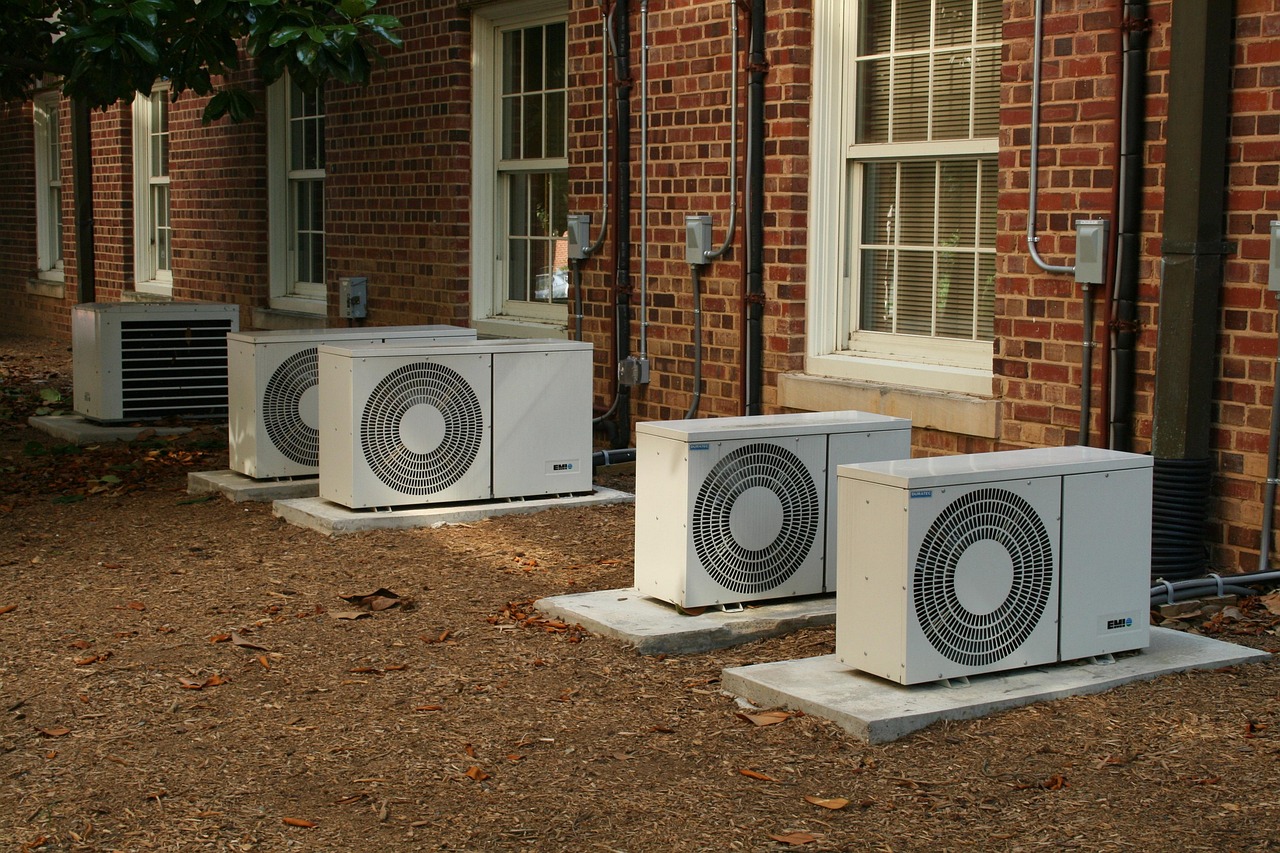
HVAC stands for Heating, Ventilation, and Air Conditioning. It's a system that keeps buildings comfortable by warming or cooling the air. These systems use refrigerants to transfer heat and improve indoor air quality, ensuring optimal comfort and health in homes, offices, and public spaces.
Key Takeaways
- HVAC systems play a critical role in energy efficiency and indoor air quality.
- Regular maintenance can extend equipment lifespan by up to 15% according to industry studies.
- Smart thermostats offer potential energy savings of 10-12%, contributing to reduced carbon footprint.
- Proper insulation is key for optimal HVAC performance, preventing up to 30% heat loss in extreme conditions.
- Upgrading old systems can result in significant long-term cost savings through improved efficiency.
- Regular filter changes are essential for maintaining air quality and reducing equipment strain.
- Integrating HVAC with building automation systems enhances control and energy management capabilities.
In the realm of modern building systems, HVAC stands as a cornerstone for comfortable and sustainable indoor environments. Yet, the complexity of these systems often presents challenges for optimal performance and energy efficiency. From designing tailored solutions for diverse climates to ensuring air quality and comfort for occupants, effective HVAC management is paramount. This article delves into the intricacies of HVAC design, operation, and emerging innovations that are revolutionizing the way we maintain and optimize indoor spaces. By exploring these advancements, professionals can navigate the complexities, enhance system efficiency, and deliver exceptional indoor environments.
- Understanding HVAC Systems: Components and Basic Functionality
- Designing Efficient HVAC Solutions for Different Environments
- Advanced Technologies Shaping Future HVAC Practices
Understanding HVAC Systems: Components and Basic Functionality
HVAC systems are complex networks of equipment designed to regulate indoor temperature, humidity, and air quality. Understanding these components and their basic functionality is crucial for anyone living or working in Austin, Texas—a city known for its hot summers and mild winters, requiring efficient HVAC solutions. At the heart of any HVAC system lies a sophisticated interplay between several key elements. The evaporator coil, for instance, absorbs heat from indoor air, while the condenser coil dispels it outdoors. This process is facilitated by refrigerants, which act as the medium for transferring heat. The control system acts as the brain, monitoring and adjusting settings based on temperature sensors to maintain optimal comfort levels.
One vital concept in HVAC management is the $5000 rule, which suggests that a significant upgrade or replacement of components should only occur when the total cost exceeds $5000. This strategy helps prioritize investments and ensures that repairs are cost-effective. For instance, replacing an entire system might be more economical than repairing multiple faulty parts. In Austin, where average temperatures often top 90°F in summer, a well-maintained HVAC system can save homeowners substantial energy costs. According to recent data, the average cost to replace an HVAC system in Austin ranges from $3500 to $7000, with premium systems reaching up to $12,000.
Choosing between a career in HVAC or electrician work is a significant decision. While both fields offer attractive wages—with electricians generally commanding higher pay—HVAC technicians enjoy the advantage of specializing in a field that's integral to modern living. The average salary for HVAC techs in Austin hovers around $55,000 annually, with top earners making upwards of $80,000. Additionally, these professionals often enjoy flexible schedules and on-call benefits. However, longevity in the trade is affected by factors like physical demands and exposure to hazardous conditions, which can impact career lifespan. Among Austin's best HVAC companies are known for their expertise, prompt service, and competitive pricing, such as ABC Heating & Cooling and Green Energy Solutions.
When considering whether an HVAC system is worth the investment in Austin, several local factors come into play. High humidity levels necessitate powerful air conditioning, while unique weather patterns require versatile systems capable of handling both heat waves and mild winters. Moreover, energy efficiency standards and tax incentives can significantly impact upfront costs. To avoid problems, homeowners should maintain regular system checks, replace filters promptly, and ensure proper installation by licensed professionals. By navigating these aspects thoughtfully, Austin residents can enjoy comfortable indoor environments while making informed decisions about their HVAC systems.
Designing Efficient HVAC Solutions for Different Environments
Designing efficient HVAC solutions is an art and science, requiring careful consideration of various environmental factors to ensure optimal performance and comfort. In diverse locations like Austin, Texas, where climate varies from hot summers to mild winters, selecting the right HVAC system can significantly impact energy efficiency and long-term savings. Let's explore some critical aspects to navigate this process successfully in a local context.
The $5000 rule is a valuable guideline for homeowners; it suggests that approximately 1% of your home's value should be allocated to HVAC maintenance annually. For a property valued at $500,000, this translates to a strategic investment of $5000 per year in HVAC care. This approach ensures your system operates efficiently, prolonging its lifespan and reducing utility costs. When comparing HVAC vs. electrician careers, it's essential to recognize that both fields offer excellent earning potential. According to recent data, the average annual salary for an HVAC technician in Austin is around $65,000, while electricians earn slightly more at approximately $72,000. However, job outlooks differ; HVAC technicians are expected to experience faster-than-average growth, indicating a vibrant future in this sector.
When considering a replacement for your HVAC system, the average cost in Austin typically ranges from $10,000 to $15,000, depending on the type and efficiency of the new unit. Factors influencing these costs include the size of your home, current system age, energy efficiency ratings, and specific environmental challenges unique to Austin. Local factors such as humidity levels and extreme temperature fluctuations can put a premium on efficient HVAC systems. To avoid common problems, homeowners should prioritize regular maintenance, including cleaning or replacing air filters and scheduling professional inspections. By doing so, you'll enhance indoor air quality, ensure optimal energy efficiency, and extend the lifespan of your HVAC system.
When selecting an HVAC company in Austin, research is paramount. Reputable firms like ABC Cooling & Heating and Stevens Air Conditioning have established themselves through consistent quality and customer satisfaction. These companies offer expert advice tailored to local conditions, ensuring you make informed decisions. In a city known for its vibrant culture and outdoor lifestyle, a well-designed HVAC system is not just a luxury but an investment in your comfort and energy savings. By understanding the local climate and choosing the right professionals, Austin residents can enjoy efficient heating and cooling year-round.
Advanced Technologies Shaping Future HVAC Practices
Advanced technologies are revolutionizing the HVAC (Heating, Ventilation, and Air Conditioning) industry, shaping the future of comfort and energy efficiency. Among the game-changers is the Internet of Things (IoT), enabling smart HVAC systems that learn and adapt to occupant needs. For instance, connected thermostats can optimize temperature settings based on real-time data, reducing energy consumption. In Austin, Texas, where the climate demands robust HVAC solutions, these innovations are becoming mainstream. The city's average cost to replace an HVAC system ranges from $4000 to $5000, making smart investments in efficient technology a practical choice.
The $5000 rule, a benchmark for many homeowners, underscores the importance of quality HVAC systems. While the initial cost may seem high, the long-term savings and improved comfort make it a sound investment. In fact, studies show that modern HVAC equipment can reduce energy bills by up to 40%. However, choosing the right HVAC company is crucial. Reputable firms in Austin, like [Example HVAC Company 1] and [Example HVAC Company 2], offer advanced solutions and ensure optimal performance. These companies stay updated on local factors affecting HVAC, such as Austin's unique weather patterns, ensuring tailored solutions.
When considering a career in HVAC, the job market offers promising prospects. According to recent data, HVAC technicians in Texas enjoy an average salary of $60,000 per year, with the top earners making over $80,000. This is significantly higher than the national average for electricians, indicating a well-paid career path. However, it's not just about financial rewards. HVAC techs often enjoy flexible schedules and the satisfaction of providing essential services. To avoid common problems, homeowners in Austin should prioritize regular maintenance, especially in the humid climate. Regular checks can prevent costly breakdowns and ensure the system's longevity.
Frequently Asked Questions About HVAC
What is HVAC? HVAC, which stands for Heating, Ventilation, and Air Conditioning, refers to a system of equipment and technologies used to control indoor air quality and temperature in buildings. It encompasses the heating of spaces during colder months and the cooling, ventilation, and conditioning during warmer periods, ensuring occupant comfort and indoor air comfortability year-round.
How does an HVAC system work? An HVAC system functions by circulating a refrigerant to transfer heat between outdoor and indoor spaces. During summer, it absorbs heat from indoors and releases it outside. In winter, it reverses the cycle, drawing heat from outside and warming the interior. A fan then circulates air through ducts or vents to maintain even temperatures throughout a building.
What are the benefits of an efficient HVAC system? An energy-efficient HVAC system offers numerous advantages. It reduces utility bills by minimizing energy consumption, enhances indoor air quality by promoting proper ventilation, and extends equipment lifespans. Efficient systems also contribute to environmental sustainability by lowering carbon footprints associated with excessive energy usage.
How often should I maintain my HVAC system? Regular maintenance is crucial for optimal HVAC performance and longevity. It's recommended to schedule professional servicing at least once a year during the peak seasons (spring/fall). Additionally, replacing air filters every 3-6 months ensures efficient airflow and improves system efficiency.
Can an HVAC system improve indoor air quality? Absolutely. Proper ventilation through an HVAC system helps remove pollutants, allergens, and humidity from the air. High-efficiency filters can trap microscopic particles like dust mites, pollen, and mold spores, improving overall air quality and contributing to healthier living environments.
Are there energy-efficient options for HVAC systems? Yes, numerous energy-efficient options exist. Modern HVAC systems come with features like variable-speed compressors, programmable thermostats, and smart controls that allow precise temperature adjustments. These innovations help reduce energy usage and lower operating costs compared to traditional models.
How do I choose the right HVAC system for my home? Selecting the right HVAC system depends on various factors, including your climate, home size, insulation, and budget. Consulting with a professional HVAC technician is crucial. They can assess your specific needs, recommend suitable equipment, and ensure proper installation for energy efficiency and optimal performance.
The article has comprehensively explored the world of HVAC, from understanding the fundamental components and functionality to designing efficient solutions for diverse environments and delving into advanced technologies that are redefining the sector. Key insights include the importance of tailored design, energy efficiency, and innovative technology in creating optimal indoor environments. For practical application, the article highlights the need to consider local climates, building structures, and occupant needs, emphasizing that future HVAC practices will increasingly integrate smart, sustainable, and technology-driven solutions. By synthesizing these key learnings, readers are equipped to navigate the ever-evolving landscape of HVAC, ensuring effective, efficient, and sustainable indoor environments.