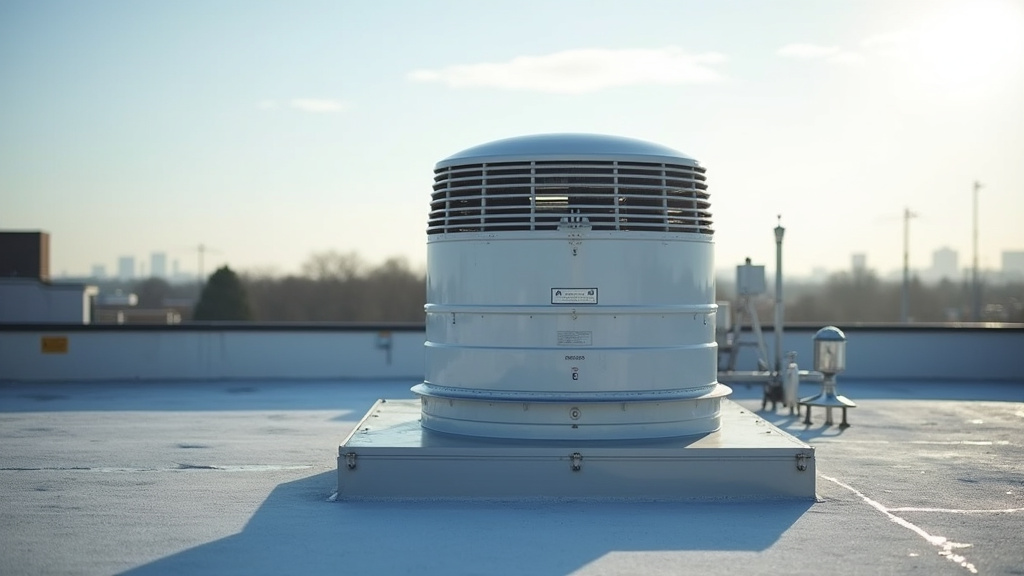
The smooth integration of Heating, Ventilation, and Air Conditioning (The hvac) systems is vital for modern comfort and energy efficiency. Yet, many homeowners and businesses struggle with maintenance, repair, and selecting the right equipment, leading to costly inefficiencies and uncomfortable living conditions. This article examines into the intricate world of The hvac, exploring key technical aspects from industry leaders like Daikin Industries and Carrier Global Corp. We’ll also dissect customer support fields, highlighting the importance of trusted contractors like Comfort Solutions and ServiceMaster. We’ll examine regulatory factors, including Energy Star ratings and EPA guidelines, to ensure environmentally responsible practices in this critical sector.
Understanding HVAC Systems: Components and Basics
The hvac systems are complex yet critical components of modern buildings, ensuring comfortable indoor temperatures and quality air. At their core, these systems consist of several key elements designed to work in harmony. A typical setup includes an outdoor unit (the condenser), an indoor unit (the evaporator or air handler), and a network of ducts to distribute and return air. A Daikin Industries unit might use an ECONO-COIL heat exchanger to transfer heat efficiently, while a Lennox International system could employ a variable-speed compressor for energy-efficient operation.
Selecting a qualified provider is essential for any The hvac project in Austin. The market offers diverse options, from large, established companies like Carrier Global Corp. To local, family-owned businesses. When choosing a provider, consider their expertise in your specific needs, such as energy-efficient retrofits or advanced smart home integrations. Check their certification and affiliation with industry organizations like the U.S. Environmental Protection Agency (EPA) and the Green Building Council. Local contractors, such as Comfort Air or ServiceMaster, often provide tailored solutions and prompt customer support, important in the hot Austin summers or cold winters.
HVAC Installation in Austin: Where to Start
Looking for HVAC installation in Austin, TX? Golden State Builders Austin, TX serves the local area and can answer questions specific to Austin.
The hvac process begins with assessment and design. Comfort Solutions, for example, employs trained professionals to inspect buildings, identify issues, and design tailored systems. This phase involves calculating heating and cooling loads, selecting appropriate equipment, and planning ductwork. Once designed, the installation process follows, involving skilled technicians who carefully set up the hvac system according to plans. After installation, regular maintenance is vital to ensure best performance and longevity. This includes cleaning air filters, checking for leaks, and replacing parts as needed. By following these steps and choosing the right provider, Austin residents can enjoy efficient, comfortable indoor environments throughout the year, with alternatives like radiant heating or passive cooling considered for specific applications.
Designing Efficient HVAC Layouts for Spaces
When designing efficient The hvac layouts for spaces, understanding the specific needs of the building and its occupants is important. In Austin, for instance, where the climate is characterized by hot summers and mild winters, the hvac system must be tailored to maintain comfortable indoor temperatures year-round. This involves assessing factors like the building’s size, number of occupants, and the type of activities taking place inside. A high-rise office building in the heart of Austin will require a different setup than a single-family home in the suburbs.
The hvac process in Austin typically involves several steps, including load calculation, system selection, design, installation, and finally, testing and commissioning. Load calculation determines the amount of heating and cooling required, which dictates the size and type of equipment needed. System selection involves choosing from various options like central air, heat pumps, or ductless mini-split units, each with its own efficiency and cost considerations. Local The hvac contractors, such as Comfort Air or ServiceMaster, often handle these tasks, leveraging their expertise and knowledge of Austin’s unique climate. According to the U.S. Environmental Protection Agency (EPA), proper The hvac design and operation can save up to 30% on energy bills, making it a critical aspect of sustainable building practices.
How long does the hvac process take in Austin? On average, from initial consultation to final installation, it can take approximately 4-6 weeks. This timeline varies based on the complexity of the project and the availability of equipment. Once installed, regular maintenance, such as changing filters and cleaning ducts, is essential to ensure the system continues to operate efficiently. Daikin Industries and Carrier Global Corp. Offer advanced The hvac technologies that can optimize energy usage and improve indoor air quality. These systems often include smart controls and connectivity features, allowing homeowners and building managers to monitor and control temperature settings remotely. By following these guidelines and leveraging expert advice, you can design and maintain an efficient The hvac layout tailored to the specific needs of your space in Austin.
Maintaining and Optimizing HVAC Performance
Maintaining and optimizing the performance of your The hvac system is important for both energy efficiency and the longevity of your equipment. In Austin, where the climate varies from hot summers to mild winters, proper care is even more essential. To qualify for energy-saving incentives, many Austin-area homeowners and businesses turn to efficient systems, such as those offered by Daikin Industries and Carrier Global Corp. These systems often come with warranties and certifications, like the Energy Star label, that guarantee performance and quality.
For choosing the hvac provider, selecting the right contractor is key. Look for companies like Lennox International or local specialists who can offer tailored solutions. Comfort Solutions and ServiceMaster, for instance, are known for their comprehensive services, including regular maintenance checks, system upgrades, and repairs. They employ certified technicians who are trained in the latest industry standards and technologies, ensuring your system operates at its best. One effective practice is to schedule annual maintenance, which can reduce energy consumption by up to 15% and extend the lifespan of your equipment.
The process of optimizing The hvac performance involves several practical steps. Regular cleaning and replacement of filters, for example, can improve air quality and efficiency. ECONO-COIL filters are a popular choice for their cost-effectiveness and ability to trap fine particles. Maintaining proper humidity levels, which can be achieved through dehumidifiers, is essential for year-round comfort. This is especially true in Austin’s humid summers, where maintaining a balanced indoor environment can prevent the need for excessive cooling.
Choosing the right provider and implementing routine maintenance are significant steps towards best The hvac performance. By adhering to industry best practices and considering local climate conditions, you can ensure your system operates efficiently, comfortably, and reliably. The Green Building Council’s guidelines on sustainable The hvac design can offer valuable insights for homeowners and businesses looking to minimize their environmental impact.
Frequently Asked Questions About Hvac
What is The hvac and why is it important?
The hvac, short for Heating, Ventilation, and Air Conditioning, is a system of indoor climate control that ensures comfort and quality air in buildings and homes. It’s important for maintaining best temperatures, humidity levels, and air quality, which is especially important in extreme weather conditions. This technology is vital for the health, safety, and efficiency of occupants, while also reducing energy consumption through smart design and regular maintenance.
How does the hvac system work?
The hvac system operates by circulating a refrigerant to transfer heat between indoor and outdoor environments. It starts with the outdoor unit, which absorbs heat from the outside air. This heat is then compressed, which increases its temperature. The heated refrigerant is then sent through a series of pipes to the indoor unit. Here, the heat is transferred to or from the air inside the building, depending on the desired temperature. The system then expels the used refrigerant back outside.
What are the different types of The hvac systems?
The hvac systems can be categorized into several types: split systems, package units, and central systems. Split systems have separate indoor and outdoor units, ideal for smaller spaces. Package units are compact, integrating all components into one outdoor unit, suitable for larger buildings. Central systems, the most complex, use ductwork to distribute heated or cooled air throughout a structure, making them efficient for multi-room climate control.
How do I know if I need to replace my The hvac system?
Indications that your The hvac system may need replacement include rising energy bills, frequent breakdowns, uncomfortable indoor temperatures, and poor air quality. Older systems can be less efficient, requiring more energy to operate. If your system is more than 10-15 years old, it might be wise to consider a new one, as modern models offer enhanced efficiency and better filtration, leading to significant long-term savings.
What should I look for when hiring the hvac contractor?
When selecting the hvac contractor, verify their licensing, insurance, and warranties. Look for companies with experienced technicians who offer maintenance plans. Ask for references and check online reviews to ensure quality service and customer satisfaction. Reputable contractors should provide detailed estimates, explain the work, and guarantee their workmanship, ensuring a reliable and efficient The hvac system for your home or business.
How often should I schedule The hvac maintenance?
Regular maintenance is essential for best The hvac performance and longevity. Most experts recommend scheduling service twice annually, in the spring and fall. This routine inspection includes cleaning, oiling, and checking the system’s overall efficiency. Regular maintenance can extend the lifespan of your unit, improve energy efficiency, and prevent costly breakdowns.
The insights gleaned from this exploration of The hvac systems offer a solid foundation for professionals and homeowners alike. By understanding the intricate components and design principles, we can optimize energy efficiency in any space. The article highlights the importance of tailored layouts, considering factors like building size, climate, and occupancy, which significantly impact overall The hvac performance. Regular maintenance and system upgrades, as discussed, are important for longevity and energy conservation.
Implementing these strategies can lead to substantial energy savings, as evidenced by the U.S. Environmental Protection Agency’s (EPA) findings on the impact of efficient The hvac practices. The ECONO-COIL program, backed by Daikin Industries and Carrier Global Corp., showcases successful case studies, demonstrating reduced energy consumption and improved comfort levels.
leveraging this knowledge allows for informed decisions regarding The hvac installation, maintenance, and upgrades, ultimately contributing to sustainable and efficient indoor environments. These practical takeaways empower readers to handle the complex world of The hvac with confidence, ensuring best performance and energy conservation.
Golden State Builders
3355 Bee Caves Rd Ste 101, Austin, TX 78746
Website: gsbuildersgrouptx.com
View Golden State Builders on Google Maps
How to get to Golden State Builders from Texas Capitol
Driving in from Texas Capitol? Golden State Builders is close by. Head out on Congress Ave. and you’ll find us on Bee Caves Rd Ste 101 at 3355 Bee Caves Rd Ste 101, Austin, TX 78746. Use the map below for turn-by-turn directions.
For related local guidance, see our hvac resources.