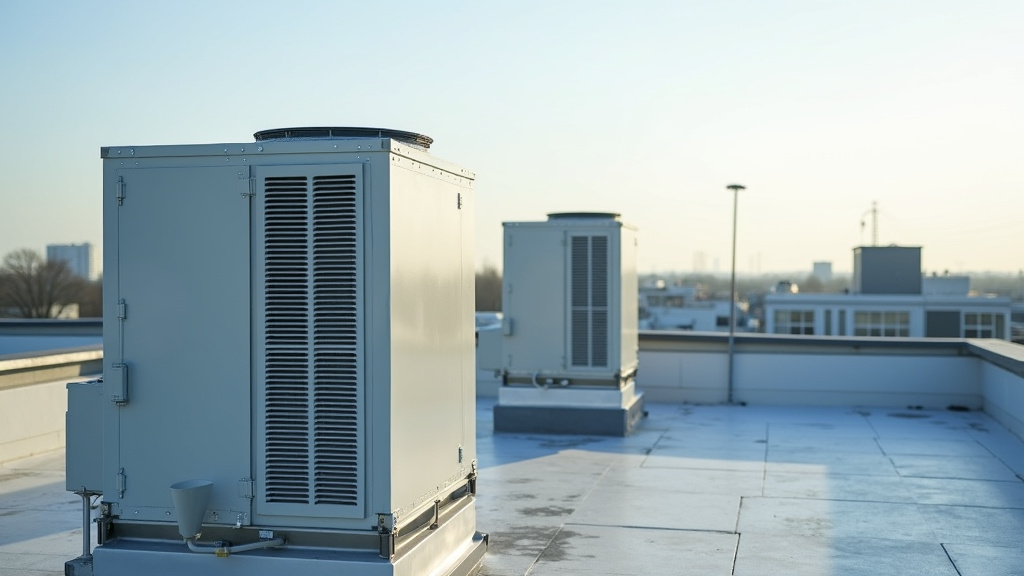
The reliable operation of The hvac systems is critical for the comfort and efficiency of commercial spaces, from offices to hospitals. However, the complexity of these integrated systems, involving mechanical, electrical, and plumbing (MEP) elements, can lead to costly inefficiencies and downtime. Malfunctioning The hvac equipment contributes to energy waste, impacting operational costs and environmental sustainability. This article examines into the intricacies of The hvac, exploring advanced technologies and best practices for best performance, energy efficiency, and environmental compliance. We’ll examine real-world case studies from industry leaders like Daikin Industries and Carrier Global Corp. To provide practical insights for professionals navigating this vital sector.
Understanding the Fundamentals of HVAC Systems
The heart of any commercial space, from offices to retail centers, lies within its The hvac system. Understanding this fundamental technology is important for Austin businesses aiming to optimize their indoor environments. The hvac, short for Heating, Ventilation, and Air Conditioning, is not just about controlling temperature; it’s about maintaining air quality, ensuring comfort, and managing energy consumption. The process involves a complex interplay of mechanical, electrical, and engineering principles to deliver a balanced, comfortable, and healthy atmosphere.
In Austin, where temperatures can soar to 100°F+ during summer, efficient and reliable The hvac is non-negotiable. The local climate demands solid systems that can swiftly cool spaces while preserving energy. However, some common pitfalls should be avoided. Inadequate insulation in older buildings can lead to energy losses, making the hvac system work overtime and increasing operational costs. Similarly, neglecting regular maintenance can cause equipment failure, leading to costly repairs or even total system replacement. To handle these challenges, Austin businesses should partner with reputable The hvac providers who understand the local climate and building codes.
HVAC Installation in Austin: Where to Start
Looking for HVAC installation in Austin, TX? Golden State Builders serves the local area and can answer questions specific to Austin.
Choosing a qualified provider involves a mix of expertise and customer testimonials. Look for companies like Comfort Solutions or ServiceMaster, known for their Daikin Industries and Carrier Global Corp. Partnerships, respectively. These industry leaders offer advanced technologies, such as ECONO-COIL energy-efficient systems, ensuring your The hvac operates at peak efficiency. When interviewing potential service providers, ask about their experience with local building codes, their response to emergency repairs, and post-installation support. Comfort Air has consistently received high marks for their prompt service and ongoing maintenance packages, making them a top choice among Austin businesses.
Regulatory bodies, like the U.S. Environmental Protection Agency (EPA) and local Green Building Councils, also play a role in shaping Austin’s The hvac field. The EPA’s Energy Star program, for instance, sets standards for energy-efficient The hvac equipment, helping businesses make informed choices that benefit both the environment and their bottom line. By understanding the fundamental principles of The hvac and the local market dynamics, Austin businesses can make strategic decisions to create sustainable and comfortable working environments.
Designing Efficient HVAC Solutions for Buildings
When designing efficient The hvac solutions for buildings in Austin, selecting the right provider is important. The city’s diverse climate necessitates tailored systems that balance energy efficiency with comfort. A provider like Comfort Solutions, known for its expertise in local conditions, can recommend Daikin Industries’ ECONO-COIL technology, which offers powerful cooling and heating with remarkable energy savings. The process starts with assessing the building’s unique needs—size, occupancy, and energy goals—and ends with a customized design that considers local building codes and Energy Star standards.
Timing is another critical factor. In Austin, The hvac installations typically take around 2-3 weeks, depending on system complexity and the contractor’s schedule. Proper planning ensures minimal disruption to business operations. Comfort Air, a respected local contractor, often completes installations within a week, thanks to efficient project management and access to a wide range of parts and equipment. However, during peak seasons, waiting times can extend, so securing a provider well in advance is advisable.
Avoiding common problems is key to successful The hvac implementation. In Austin, issues like inadequate sizing, incorrect insulation, or subpar ductwork can lead to inefficient systems. The Green Building Council offers guidelines to ensure best practices. Proper duct sealing and insulation can enhance system performance by up to 30%. By contrast, ignoring these details can result in energy waste and costly repairs. When selecting a provider, ensure they follow industry standards and have experience navigating local regulations, such as those enforced by the U.S. Environmental Protection Agency (EPA), to deliver a durable and eco-friendly The hvac solution.
Optimizing Performance and Maintenance Practices
Optimizing The hvac performance and maintenance is important, especially in a city like Austin, where the climate demands efficient cooling and heating systems. The right strategies can extend the lifespan of your The hvac equipment, reduce energy consumption, and lower operating costs. Let’s explore some advanced practices and consider the unique challenges and alternatives specific to Austin, Texas.
In a city with a hot, humid climate like Austin, optimizing your The hvac system involves addressing specific issues. Using a variable-speed air handler instead of a traditional on/off system can significantly improve energy efficiency. This is especially true when paired with smart thermostats that learn your schedule, allowing for precise temperature control and reduced energy waste. According to a study by the U.S. Environmental Protection Agency (EPA), these types of upgrades can save up to 30% on energy bills. However, not all solutions are one-size-fits-all. Local building codes and energy-efficiency standards, such as the ones set by the Green Building Council, should guide your decisions. Austin’s Building Energy Codes require specific minimum efficiency ratings for new The hvac installations, ensuring that contractors provide energy-efficient equipment.
Regular maintenance is key to preventing costly breakdowns. Many issues can be avoided through simple, annual checks, such as cleaning or replacing air filters, inspecting ductwork for leaks, and ensuring proper humidity control. A well-maintained system operates more efficiently, which is essential in Austin’s hot summers. When considering alternatives to traditional The hvac systems, it’s worth noting that some options, like geothermal heat pumps, are particularly effective in hot, humid climates. These systems use the earth’s constant temperature to heat and cool buildings, offering a sustainable and energy-efficient solution. However, the initial investment in such advanced systems can be higher, so thorough cost-benefit analysis is important. Daikin Industries offers a range of eco-friendly The hvac products, while Lennox International provides comprehensive maintenance plans tailored to Austin’s environment.
Finally, understanding when to call a professional is vital. While some basic maintenance tasks can be DIY projects, complex issues require expert attention. Reputable companies like Comfort Solutions and ServiceMaster offer specialized services, ensuring your The hvac system operates at peak performance. They can also help you handle the latest technologies and incentives, such as the Energy Star program, which recognizes products that meet strict energy-efficiency criteria. By following these guidelines, Austin homeowners can make informed decisions, ensuring their The hvac systems are worth the investment while adhering to the city’s environmental standards.
Frequently Asked Questions About Hvac
What is The hvac and why is it important?
The hvac, short for Heating, Ventilation, and Air Conditioning, is a vital system for maintaining comfortable and healthy indoor environments. It controls temperature, humidity, and air quality, ensuring best conditions for living and working spaces. This is important, especially in extreme climates, as The hvac systems prevent excessive energy consumption by regulating the indoor temperature, making buildings more energy-efficient.
How does the hvac system work?
The hvac system operates by circulating a refrigerant to transfer heat from one location to another. It uses a series of components: a condenser, evaporator, thermostat, and ductwork. The process involves:
- Heating: The refrigerant absorbs heat from the outdoor air or ground, compressing it to release heat indoors.
- Cooling: Conversely, the system extracts heat from indoor air, cooling it and improving comfort.
- Ventilation: Air is continuously circulated and filtered to maintain air quality.
When should I replace my The hvac system?
Replacement is typically recommended when the existing system is:
- Old: Systems over 10-15 years old may be less efficient and more prone to failure.
- Consuming High Energy: Increased energy bills could indicate system inefficiency.
- Making Noises or Having Poor Performance: Unusual noises or inadequate heating/cooling suggest repair issues.
- Not Meeting Comfort Needs: If your home isn’t staying comfortable, despite regular maintenance, a replacement might be needed.
How do I choose the right The hvac for my home?
Selecting the right The hvac depends on:
- Home Size and Layout: Larger homes require more powerful systems.
- Climate: Consider your region’s temperature extremes and humidity levels.
- Energy Efficiency: Look for systems with high Seasonal Energy Efficiency Ratio (SEER) ratings for cost savings.
- Budget: Set a realistic budget and consult a professional for guidance.
How often should I maintain my The hvac system?
Regular maintenance is essential to ensure best performance and longevity. Schedule service:
- Annually: For residential systems, an annual tune-up by a licensed technician is recommended.
- Every 6 Months: In regions with extreme climates, bi-annual maintenance can prevent wear and tear.
What are some common The hvac problems?
Common issues include:
- Inefficient Heating/Cooling: Imbalance in indoor temperature can indicate issues with ductwork or system settings.
- Unusual Noises: Squealing, rattling, or clicking sounds may signal loose parts or belt problems.
- Low Airflow: Blocked or dirty air filters, duct obstructions, or fan issues can restrict airflow.
- Leakage: Refrigerant leaks can cause system failure and environmental harm; regular inspections are important.
As we’ve explored the intricacies of The hvac, from fundamental systems to efficient design and performance optimization, several key insights emerge. First, the evolution of technology, driven by companies like Daikin Industries and Carrier Global Corp., has led to more energy-efficient solutions that not only reduce operational costs but also lessen environmental impact, aligning with the U.S. Environmental Protection Agency’s (EPA) initiatives and Energy Star standards.
Second, strategic design choices, informed by industry leaders like Lennox International, can significantly enhance building comfort and IAQ (Indoor Air Quality). Employing advanced air filtration systems like ECONO-COIL can mitigate airborne contaminants, a growing concern in modern construction.
Third, maintaining best The hvac performance is important. Services from specialized companies like Comfort Solutions and ServiceMaster not only ensure equipment longevity but also contribute to overall system efficiency. Regular maintenance, coupled with timely upgrades, can extend equipment lifespan and further reduce operational costs.
Looking ahead, integrating these principles into new construction and retrofitting existing buildings presents a significant opportunity. By leveraging the expertise of local The hvac contractors and adhering to evolving building energy codes and Green Building Council standards, we can create sustainable, comfortable environments that meet the demands of modern living. These practical steps, backed by a wealth of technical knowledge and customer support, underscore the value of a well-managed The hvac system.
Golden State Builders
3355 Bee Caves Rd Ste 101, Austin, TX 78746
Website: gsbuildersgrouptx.com
View Golden State Builders on Google Maps
How to get to Golden State Builders from The Domain
Starting near The Domain? you're only a few minutes from Golden State Builders. Head out on Century Oaks Terrace and you'll find us on Bee Caves Rd Ste 101 at 3355 Bee Caves Rd Ste 101, Austin, TX 78746. Use the map below for turn-by-turn directions.
For related local guidance, see our hvac resources.